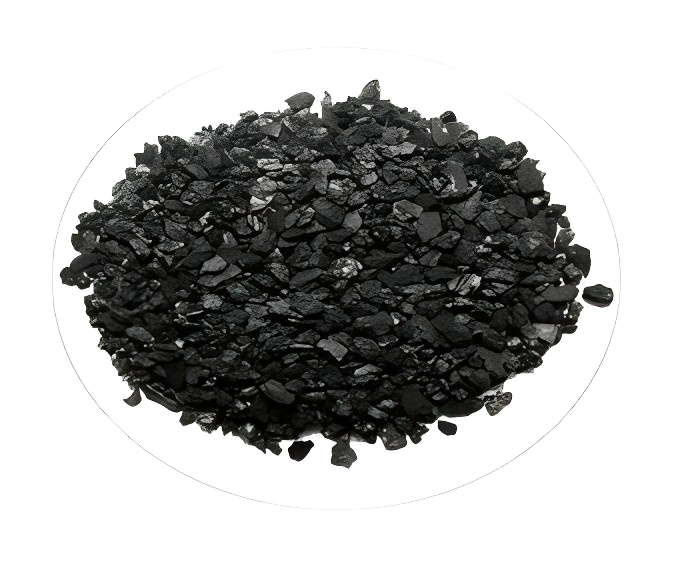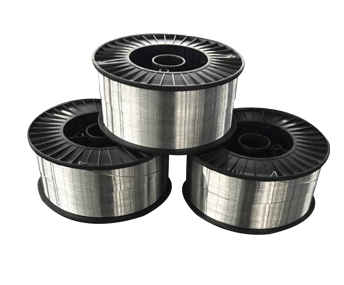
Vanadium-nitrogen alloy (VN) has become one of the most important microalloying materials in modern steelmaking. As global demand for high‑strength, low‑alloy steel continues to rise, Vanadium-nitrogen is increasingly used in construction steel, structural steel, pipeline steel, shipbuilding steel, and automotive steel.
Over the past three years, the price of vanadium‑nitrogen alloy has shown a pattern of high volatility with a long‑term upward trend. The main drivers include fluctuations in vanadium raw materials, changes in global steel demand, and geopolitical impacts on logistics.
2024 Average Price: USD 28,000 – 33,000 / MT
2025 Average Price: USD 26,000 – 31,000 / MT
2026 Forecast Price: USD 29,000 – 35,000 / MT
The market is expected to remain tight but stable, with moderate upward pressure driven by raw material costs and growing demand for high‑strength steel.
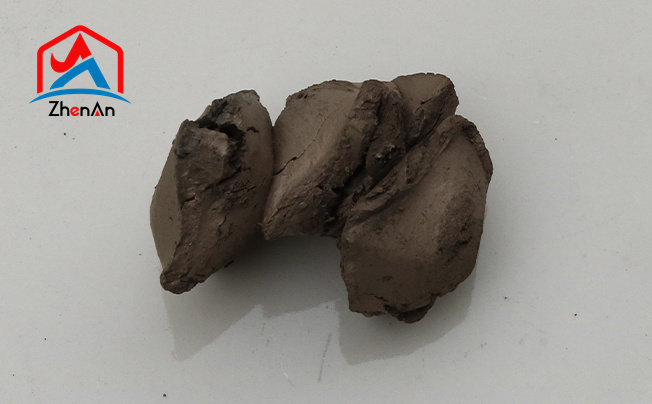
Vanadium-nitrogen prices are shaped by a combination of supply‑side and demand‑side forces. Below are the five most influential factors.
Raw materials such as vanadium pentoxide (V₂O₅) and ferrovanadium (FeV) account for more than 70% of Vanadium-nitrogen production costs. Any fluctuation in these materials directly affects Vanadium-nitrogen prices.
Key influences on vanadium raw materials include:
Supply changes in South Africa
Production adjustments in China
Global vanadium inventory levels
Rising demand from vanadium redox flow batteries (VRFBs)
The rapid growth of VRFBs for renewable energy storage is creating new competition for vanadium resources, pushing prices upward.
Vanadium-nitrogen is widely used in:
Rebar
Structural steel
Pipeline steel
Shipbuilding steel
Automotive steel
Demand increases when construction, energy, shipbuilding, and automotive sectors expand.
2024–2026 demand growth drivers:
Mega‑projects in Saudi Arabia, UAE, and Qatar
U.S. infrastructure renewal and pipeline construction
European offshore wind and marine engineering
Japanese and Korean automotive steel upgrades
Shipping costs significantly affect VN’s CIF price.
Examples:
Red Sea disruptions increased freight rates to the Middle East
U.S. West Coast port congestion raised delivery costs
European routes saw fuel surcharge increases
When logistics costs rise, Vanadium-nitrogen prices follow.
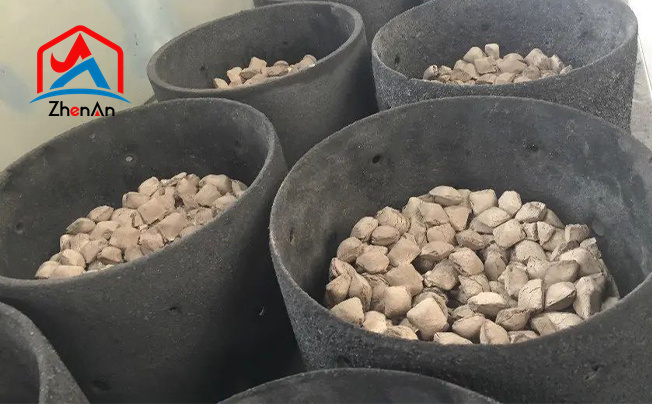
Vanadium-nitrogen production requires high‑temperature nitriding, which consumes significant energy. Environmental regulations in China and Europe affect:
Production capacity
Energy costs
Emission requirements
Stricter policies often lead to reduced output and higher prices.
Vanadium-nitrogen is traded globally in USD.
Strong USD → Higher import costs
Weak USD → Lower import costs
Exchange rate volatility is especially important for buyers in Europe, Japan, and South Korea.
Vanadium-nitrogen prices vary significantly by region due to logistics, tariffs, local demand, and supply chain stability.
Driven by massive infrastructure investments, the Middle East has become one of the strongest Vanadium-nitrogen demand centers.
Characteristics:
High reliance on imports
Strong preference for stable quality
Logistics costs are a major factor
Price Range: USD 30,000 – 36,000 / MT
European steel mills require:
EN‑standard Vanadium-nitrogen
Low impurity levels
Consistent particle size
Price Range: USD 32,000 – 38,000 / MT
The U.S. has limited domestic Vanadium-nitrogen production and relies heavily on imports.
Influencing factors:
Tariff policies
USD exchange rate
Port congestion
Price Range: USD 29,000 – 36,000 / MT
These markets prioritize:
Stable quality
Long-term supply contracts
Strict technical specifications
Price Range: USD 31,000 – 37,000 / MT
Based on global steel demand, vanadium supply, and energy trends, Vanadium-nitrogen prices are expected to remain stable with moderate upward pressure.
Reasons:
Growing VRFB demand
Middle East and U.S. infrastructure expansion
Rising demand for high-strength steel
Tight vanadium supply
Projected Price Range:
2026: USD 29,000 – 35,000 / MT
2027: USD 30,000 – 37,000 / MT
2028: USD 32,000 – 39,000 / MT
Here are practical strategies for steel mills and distributors to control Vanadium-nitrogen costs.
Long-term contracts help avoid market volatility and ensure stable supply.
Low-cost suppliers often have:
Unstable quality
Unpredictable delivery times
Inconsistent supply
These risks increase long-term costs.
With technical support, steel mills can reduce Vanadium-nitrogen consumption while maintaining performance.
Factories near major ports offer lower export logistics costs.
Typical pattern:
Jan–Mar: Higher prices
Jun–Sep: More stable prices
Q: What is the standard chemical composition of Vanadium-nitrogen? V: 77–80% N: 10–14%
Q: What packaging options are available? 25 kg bags, 1-ton jumbo bags, palletized packaging
Q: Can third-party inspection be provided? Yes—SGS, BV, CCIC, etc.
Q: Do you ship to the Middle East, Europe, Americas, Japan, and Korea? Yes—sea, air, and rail transport are available.
The global market for vanadium‑nitrogen alloy is entering a period of stable but firm pricing, supported by strong steel demand and tightening vanadium supply.
For buyers, the key to cost control lies in:
Choosing reliable suppliers
Securing long-term contracts
Optimizing alloy usage
Monitoring raw material trends
A strategic procurement plan will help steel mills and distributors maintain competitiveness in a rapidly evolving market.