The Middle Eastern steel industry is undergoing a historic transformation. Driven by ambitious national projects like Saudi Arabia’s Vision 2030, the UAE’s "Operation 300bn," and Qatar’s infrastructure expansion, the demand for high-strength, low-alloy (HSLA) steel has reached unprecedented levels. To meet the rigorous requirements of modern construction—such as Grade 75 and Grade 80 rebar—steel mills in the region are increasingly pivoting from traditional Ferrovanadium (FeV) to Vanadium-Nitrogen (VN) alloys.
However, the transition to VN alloys introduces complex procurement challenges. From ensuring the stability of nitrogen recovery to navigating volatile global supply chains and Red Sea logistics, Middle Eastern procurement managers must look beyond "lowest price" and adopt a risk-mitigation and quality-first framework.
The Middle East is home to some of the world’s most extreme environments, where steel must withstand high temperatures, seismic activity, and corrosive coastal air. Traditional Grade 60 rebar is no longer sufficient for mega-structures like The Line (NEOM) or high-rise developments in Dubai.
The Vanadium-Nitrogen Advantage: Unlike Ferrovanadium, VN alloys introduce both Vanadium and Nitrogen into the steel melt. The synergistic effect of these elements promotes finer grain size and more effective precipitation hardening. For Middle Eastern mills—mostly operating Electric Arc Furnaces (EAF)—VN alloys offer a higher recovery rate and significantly lower additive costs compared to FeV. Selecting a reliable supplier is not just about raw materials; it is about ensuring the structural integrity of the region's future cities.
Reliability begins with technical compliance. While various internal standards exist, the international market largely adheres to the Chinese National Standard GB/T 20566-2022 (the most recent update). Middle Eastern mills should insist on these parameters:
| Element | VN12 (FeV77N12) | VN16 (FeV77N16) |
|---|---|---|
| Vanadium (V) | 77.0% - 81.0% | 77.0% - 81.0% |
| Nitrogen (N) | 10.0% - 12.0% | 14.0% - 16.0% |
| Carbon (C) | ≤ 6.0% | ≤ 4.0% |
| Phosphorus (P) | ≤ 0.06% | ≤ 0.06% |
| Sulfur (S) | ≤ 0.05% | ≤ 0.05% |
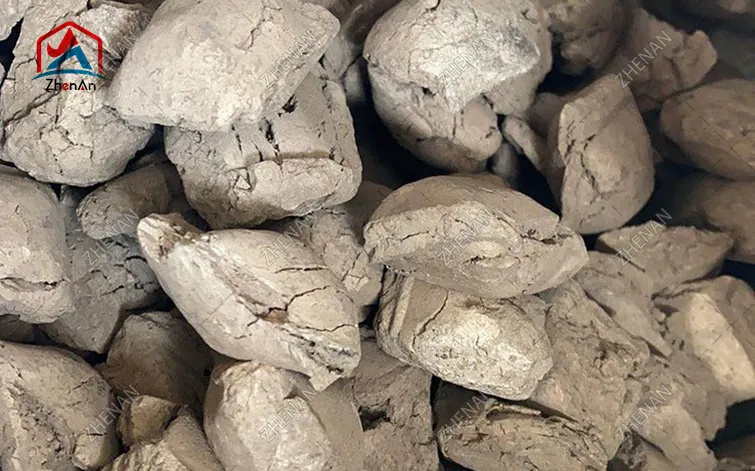
Critical Insight: For Middle Eastern EAF operators, Density is a vital but often overlooked metric. A reliable supplier must guarantee a bulk density of >3.0 g/cm³. If the density is too low, the alloy will float on the slag rather than melting into the steel, leading to massive Vanadium loss and inconsistent heat quality.
Has the supplier worked with major regional players like Qatar Steel, Emirates Steel Arkan, or SABIC (Hadeed)? A supplier familiar with the specific EAF smelting rhythms of the Middle East will provide better technical support than a generalist trader.
Does the supplier understand the "Vanadium-Nitrogen Ratio"? Expert suppliers can provide tailored VN alloys (e.g., customized Nitrogen levels) to help mills achieve specific yield strengths while minimizing the carbon equivalent (CEQ) of the steel.
Verify ISO 9001, ISO 14001, and ISO 45001 certifications. Furthermore, check if the supplier is a member of Vanitec (the global vanadium organization), which signals a commitment to industry-wide safety and quality standards.
Trust is built on verification. Reliable suppliers consistently offer SGS, BV (Bureau Veritas), or Intertek inspections at the port of loading. In the Middle East, where contract enforcement can be complex, having a supplier that welcomes third-party oversight is a major green flag.
Vanadium prices are notoriously volatile. A "fly-by-night" supplier may default on a contract if market prices spike 30% after the order is placed. Ensure your supplier has a strong credit rating and integrated raw material (Vanadium Pentoxide) sources.
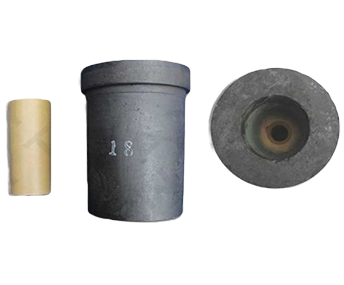
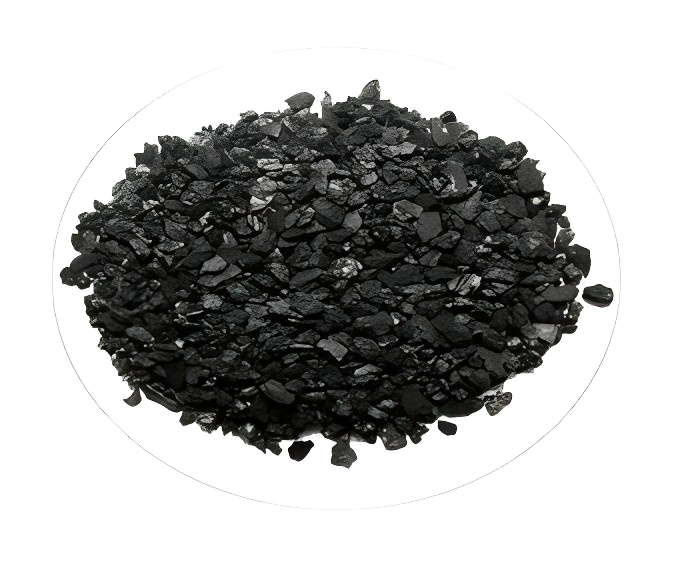
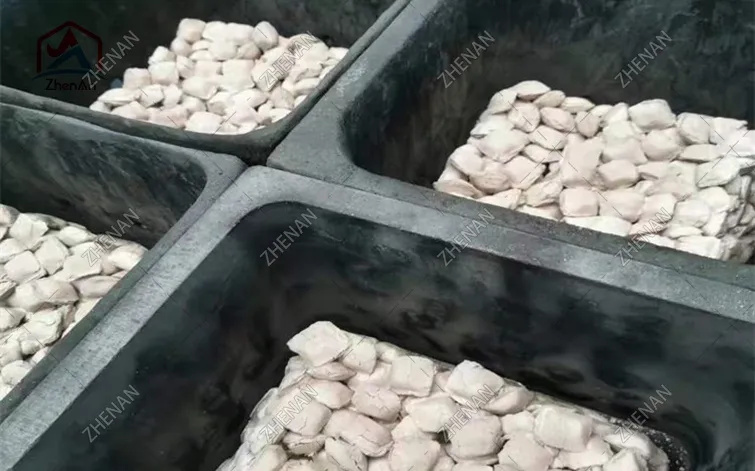
The quality of Vanadium-nitrogen alloy is determined in the furnace. The industry gold standard is High-Temperature Vacuum Sintering.
When auditing a supplier, ask for photos of their sintering kilns and their internal lab testing frequency. A reliable partner will test every batch (approx. every 10-20 tons).
While the per-ton price of VN alloy might seem higher than FeV, the Value in Use (ViU) is superior.
Calculation Example: To achieve the same yield strength in HRB400E rebar, the addition of Nitrogen via VN alloy allows for a reduction of Vanadium consumption by roughly 30% to 50%. For a mill producing 1 million tons of steel annually, this translates to millions of dollars in savings. A reliable supplier will provide the metallurgical models to prove these savings during the trial phase.
Q1: Can VN alloy be used in both EAF and BOF furnaces?
A: Yes, it is highly effective in both. However, in EAF (most common in the Middle East), the density of the alloy is more critical to ensure it passes through the slag layer.
Q2: What is the typical lead time for shipping to the Middle East?
A: From major hubs like China, sea freight typically takes 25–35 days. Reliable suppliers often maintain "safety stock" in free trade zones like Jebel Ali to reduce lead times to 3–5 days.
Q3: How do I verify the Vanadium content without a full lab?
A: While a full ICP test is best, you can perform a quick "density check" and visual inspection. However, the most reliable method is requiring a COA (Certificate of Analysis) from an independent third party like SGS.
Q4: Does the Nitrogen in VN alloy cause "strain aging" issues?
A: When used correctly, the Vanadium pins the Nitrogen in a stable precipitate (V-N), which actually prevents strain aging while increasing strength. A reliable supplier will provide the correct addition ratios to avoid free nitrogen.
Q5: Is VN16 better than VN12?
A: VN16 offers higher nitrogen efficiency, which is generally better for high-strength rebar. However, the choice depends on your specific steel grade and furnace conditions.