Due to its high purity, electrolytic manganese metal is widely used in industries such as iron and steel, metallurgy, electronics, chemicals, and aerospace. This article outlines how steel mills should evaluate the supply capabilities of electrolytic manganese vendors, the quality control systems that warrant attention, and the service commitments that help mitigate risk.
1.Supply capacity of electrolytic manganese suppliers
Capacity and scalability: Confirm nameplate capacity (t/year) and surge capability during peak seasons. A supplier able to flex output reduces your stockout risk.
Multiple production lines: Parallel electrolytic lines minimize downtime. Redundancy matters when maintenance or power curtailments occur.
Raw material assurance: Secure ore/concentrate contracts, recycling streams, and diversified logistics help stabilize price and lead time.
Battery-grade segregation: Dedicated battery-grade workshops, separate equipment, and closed material handling systems prevent cross-contamination with metallurgical-grade products.
Geographic diversification: Plants in different regions, or partnerships with regional processors, can bypass local power or transport disruptions.
On-time delivery performance: Ask for historical OTIF (on-time-in-full) data, average lead times, and port options.
2.Quality Control by Electrolytic Manganese Suppliers
Certified systems: Look for ISO 9001 for quality, ISO 14001 for environment, ISO 45001 for safety, and ISO 50001 for energy management. These certifications indicate systematic control of processes.
Analytical capability: On-site labs using ICP-OES/ICP-MS, XRF, combustion analyzers for C/S, and particle size analysis. Batch-level certificates of analysis (CoA) should include Mn, Fe, C, S, P, Ni, Cu, Pb, moisture, and, for battery grade, Na/K/Cl/Si.
Traceability: Lot-level traceability from raw ore to final
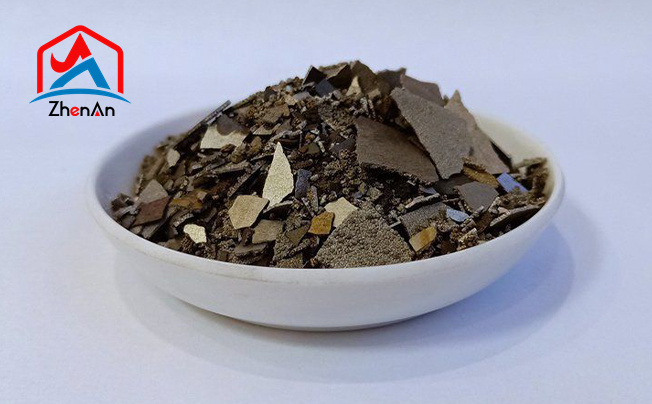
electrolytic manganese flake. QR-coded labels and digital CoAs streamline audits.
Process discipline: SPC control charts for current density, electrolyte composition, temperature, and plating time. Stable electrolysis conditions produce uniform flake morphology.
Contamination controls: HEPA-filtered rooms for battery-grade processing, lined reactors for dissolution steps, and dedicated packaging lines to prevent metal cross-pickup.
Moisture and oxidation control: Dry rooms or desiccant-packed packaging reduces oxidation risk. Moisture control is critical for subsequent manganese sulfate production.
Third-party verification: Interlaboratory testing and SGS/BV inspections can validate internal QC results—useful for new customer onboarding.
Quality Control of Battery-Grade Manganese
Ultra-low impurities: Tight limits for Fe, Cu, Ni, Cd, Pb, and Zn to protect electrochemical performance.
Halogen control: Chloride and fluoride must be minimized to avoid corrosion and gas evolution.
Filtration and dissolution tests: Suppliers should provide dissolution rate and residue indices when converting
EMM to manganese sulfate monohydrate (MSM).
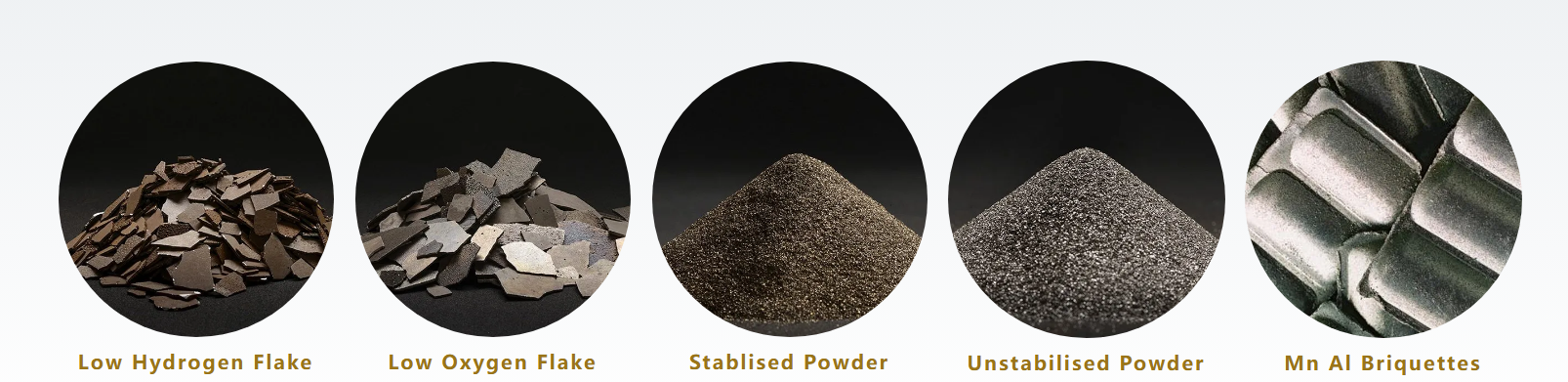
Particle morphology: Consistent flake thickness and size distribution improves dissolution kinetics and batching accuracy.
Packaging, Logistics, and Documentation
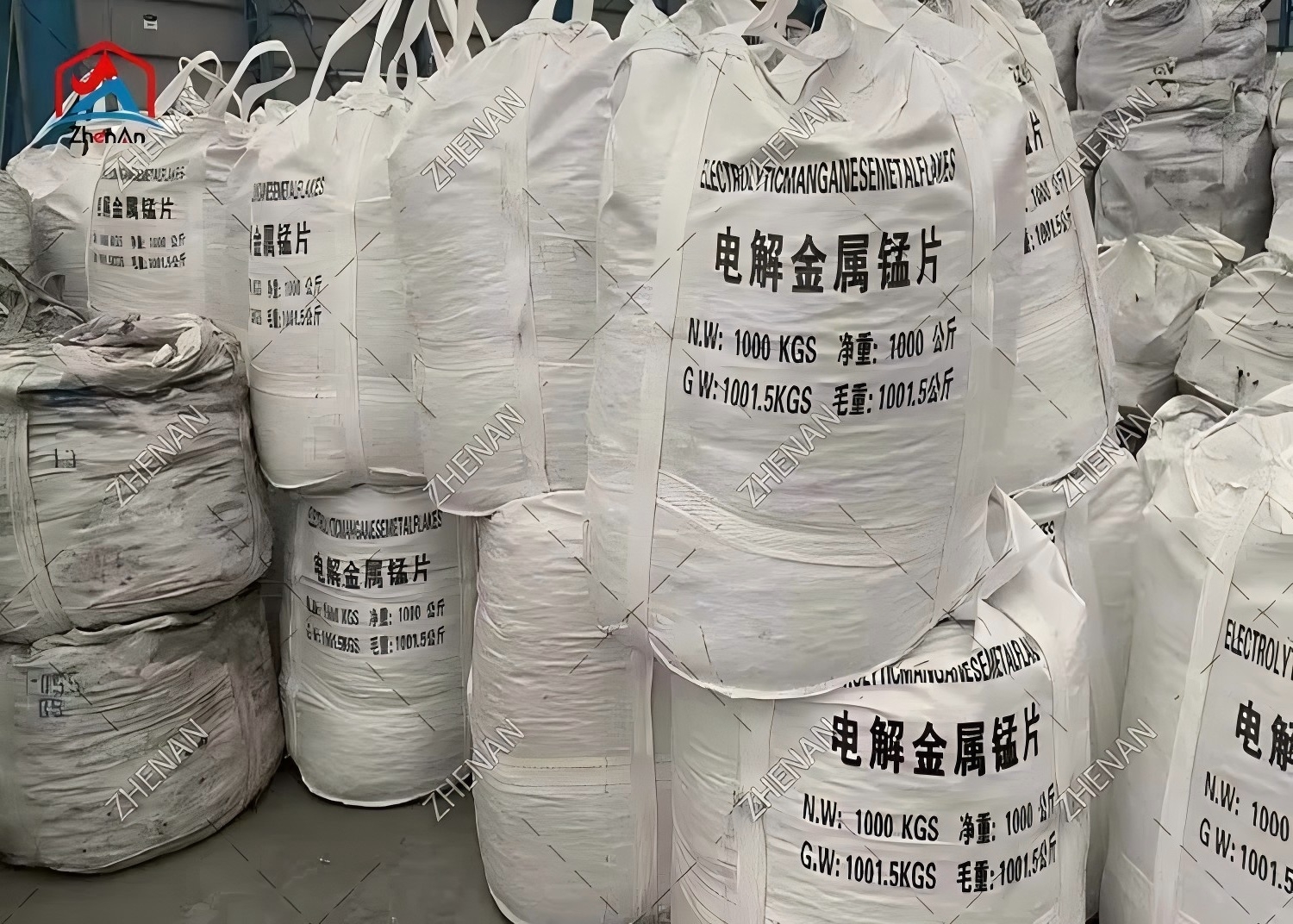
Packaging options: 25 kg PE-lined bags, 1-ton jumbo bags, or steel drums. Vacuum or nitrogen-flushed packaging can be offered for ultra-sensitive applications.
Palletization: Heat-treated pallets with corner protectors; stretch-wrap with desiccant and humidity indicators.
Transport compliance: MSDS/SDS, UN classification where applicable, and REACH compliance for the EU.
Customs and labeling: HS codes, country-of-origin certificates, and batch CoAs attached. Digital documentation reduces customs delays.
3.Service and Technical Support from Electrolytic Manganese Flake Suppliers
Pre-sales support: Application matching—help selecting the right grade (metallurgical vs. battery-grade manganese). Sample provision with detailed CoA.
Technical service: Guidance on deoxidation practice in steel shops, alloying additions in aluminum, or sulfate conversion SOPs for cathode precursor plants.
On-site audits and trials: Joint trials to optimize dosing, dissolution, filtration, and impurity control. Suppliers should share best practices for leaching, pH control, and impurity precipitation.
After-sales assurance: Non-conformance handling with RMA process, corrective action reporting (8D), and rapid replacement when specifications are out of tolerance.
Forecast and VMI: Vendor-managed inventory and safety stock near customer sites to smooth supply.
ESG, Compliance, and Sustainability
Responsible sourcing: Conformance with OECD due diligence for mineral supply chains; avoidance of conflict-affected sources; supplier code of conduct.
Environmental performance: Closed-loop electrolyte, wastewater neutralization, and sludge treatment with legal disposal. Energy efficiency upgrades in rectifiers and heat recovery.
Carbon footprint: Life cycle assessment (LCA) data and product carbon footprint (PCF) reports support customers’ Scope 3 accounting.
Worker health and safety: Dust control, PPE programs, and safety training—essential for stable operations and audit readiness.
How to Evaluate an Electrolytic Manganese Supplier
Request a technical data sheet (TDS) and recent CoAs for multiple lots.
Verify lab methods and interlab correlation with your in-house or third-party lab.
Audit production lines: cleanliness, segregation, maintenance records, and electrolyte management.
Run pilot trials: dissolution tests for MSM, deoxidation trials in steel, or cathode precursor synthesis.
Check references: speak with existing customers in your application segment.
Assess digital readiness: e-COA, batch tracking, and integration with your ERP for real-time visibility.
Common Buyer Questions
Q:Can you supply battery-grade electrolytic manganese flake?
A:Yes—look for suppliers offering Mn ≥99.7%–99.9% with ultra-low Fe/Cu/Ni and halogen control, plus dedicated battery-grade lines.
Q:What is the lead time?
A:Typical lead time ranges from 2–6 weeks depending on order size and shipping route; expedited options may be available.
Q:Do you support manganese sulfate production?
A:Technical support for leaching, impurity removal, filtration, and crystallization is often provided.
Q:What certifications are available?
A:ISO 9001/14001/45001, sometimes ISO 50001; REACH registration for EU deliveries.