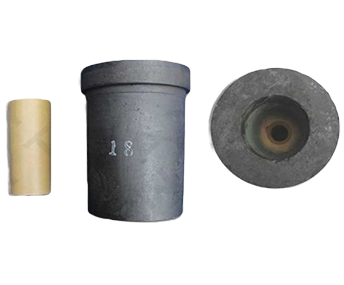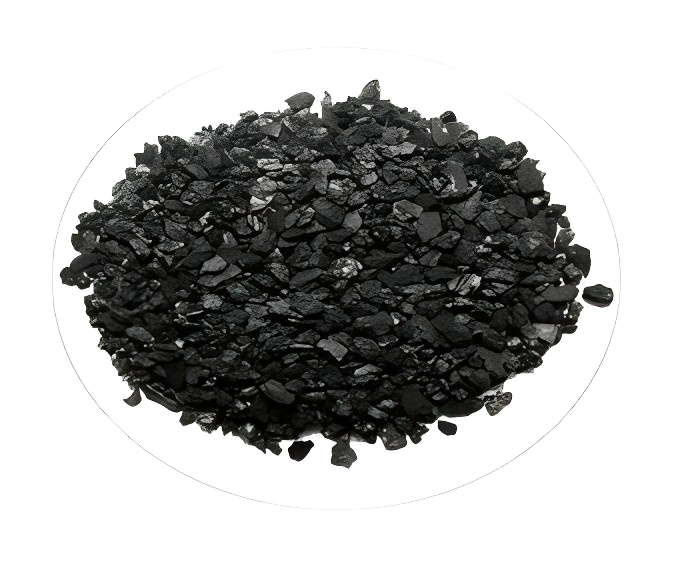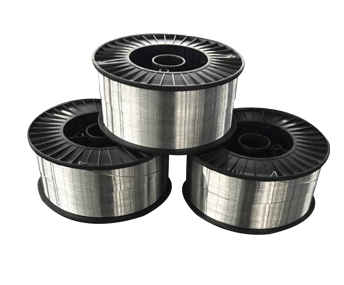
Graphite electrodes are the single most important consumable in electric arc furnace (EAF) steelmaking. They carry enormous currents — often 100,000 amperes or more — into the furnace, converting electrical energy into the heat that melts scrap steel. Yet for a material that looks like a simple black cylinder, graphite electrodes are surprisingly complex products, defined by precise physical properties and manufactured through a multi-week, multi-step process.
This guide explains the key properties of graphite electrodes, how those properties translate into real-world performance, the difference between RP, HP and UHP grades, and the full range of industrial applications. Whether you are a steel plant operator, a foundry manager, or a procurement specialist, this article will help you understand what to look for — and how to select the right electrode for your furnace.
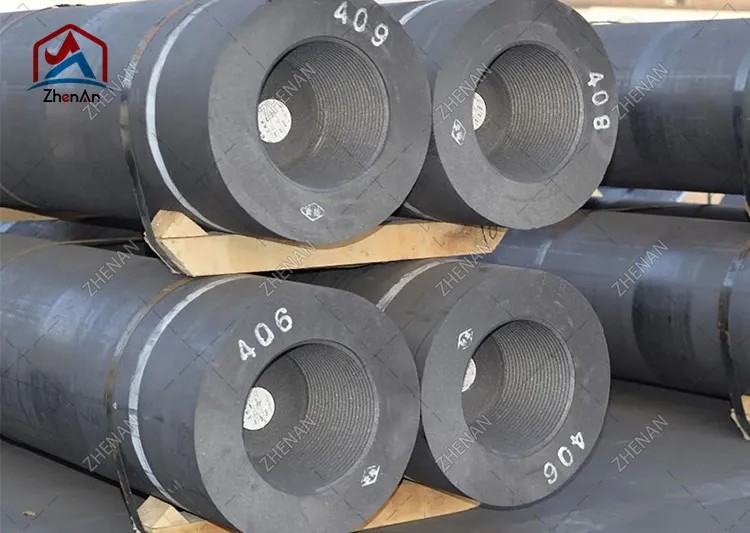
A graphite electrode is a cylindrical conductor made primarily of petroleum coke, needle coke and coal tar pitch, which is baked and then graphitized at extremely high temperatures. The result is a dense, low-resistance carbon body that can withstand the intense thermal, electrical and mechanical conditions inside an electric arc furnace.
Structurally, an electrode system consists of two parts:
Because no single piece is long enough to reach from the furnace roof down to the molten bath, multiple electrode sections are screwed together using tapered threaded nipples. As the tip is consumed during melting, new sections are added at the top — a continuous "feeding" process.
Three electrodes are typically arranged in a triangular pattern for a three-phase AC electric arc furnace. Each electrode, the furnace roof, and the molten metal together form the electrical circuit that sustains the arc.
Graphite is chosen for electrodes because it uniquely combines four properties that no other affordable material offers at industrial scale:
Understanding the manufacturing process explains why properties vary between grades and why quality graphite electrodes command a premium. The standard production route involves these major steps:
The entire cycle can take several weeks, which is one reason electrode supply is sensitive to market cycles and why lead times matter in procurement.
The following properties are what engineers and procurement teams evaluate when specifying an electrode. Values are given as typical ranges for commercial grades; exact figures vary by manufacturer and grade.
Resistivity measures how strongly the electrode opposes current flow. Lower is better: lower resistivity means less electrical energy lost as heat inside the electrode itself, so more energy reaches the arc. UHP electrodes achieve the lowest values (typically 5–7 µΩ·m) thanks to needle coke and full graphitization, while RP electrodes are higher (roughly 7.5–9.5 µΩ·m).
Flexural (bending) strength indicates resistance to mechanical breakage during handling, column assembly, and the thermal and mechanical stresses of melting — especially scrap cave-ins and roof movement. Higher strength reduces the risk of nipple and electrode breakage, which is a major cause of downtime and lost productivity.
Bulk density reflects how solid and compact the electrode is. Denser electrodes generally have lower resistivity, higher strength and better oxidation resistance because there is less internal porosity for oxygen to attack. Typical values range from about 1.58 g/cm³ (RP) to 1.75 g/cm³ (UHP).
Elastic modulus describes stiffness. A moderate modulus is actually desirable: an electrode that is too stiff transmits thermal stress and is more prone to cracking, while one that is too soft may deform. The balance between strength and modulus is a core part of electrode design.
Low and uniform thermal expansion minimizes cracking when the electrode tip heats rapidly during arc ignition. Needle coke's oriented structure gives HP and UHP electrodes a lower and more uniform CTE, which is central to their superior thermal-shock resistance.
Graphite begins to oxidize meaningfully in air above roughly 400–500°C. Since the side surface of an electrode is exposed to furnace atmosphere, oxidation is a continuous source of consumption. Manufacturers reduce oxidation through densification, surface coatings, water-cooled electrode systems and inert-gas shielding at the furnace.
Ash is the non-carbon residue left after combustion. Low ash (<0.3% for quality grades) is important because ash impurities lower conductivity, increase oxidation and can contaminate the steel bath.
| Property | RP | HP | UHP |
|---|---|---|---|
| Bulk density (g/cm³) | 1.58–1.65 | 1.65–1.72 | 1.68–1.75 |
| Electrical resistivity (µΩ·m) | 7.5–9.5 | 6.5–8.0 | 5.0–7.0 |
| Flexural strength (MPa) | 7–10 | 8–11 | 9–13 |
| Young's modulus (GPa) | 7–11 | 8–12 | 9–14 |
| CTE (×10⁻⁶/°C) | 1.8–2.5 | 1.2–1.8 | 0.9–1.5 |
| Ash content (%) | <0.5 | <0.3 | <0.3 |
Note: These are indicative industry ranges, not a specification. Always request the manufacturer's certificate of analysis for the exact batch you purchase.
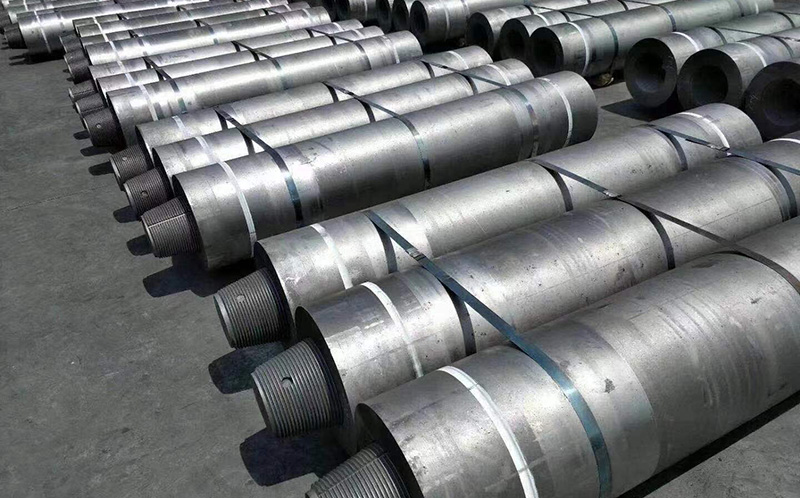
Graphite electrodes are classified into three main grades based on raw material and maximum allowable current density. Choosing the right grade directly affects furnace productivity, electrode consumption and total cost per tonne of steel.
RP electrodes are made primarily from petroleum coke and allow the lowest current densities (typically up to about 17–24 A/cm²). They are the most economical option and are suitable for smaller furnaces, lower-power operations, and less demanding applications. RP electrodes are commonly supplied in diameters from 75 mm to about 500 mm.
HP electrodes use a blend of petroleum coke and needle coke, allowing higher current densities (roughly 18–25 A/cm²). They offer lower resistivity and better thermal-shock resistance than RP, making them suitable for medium and large furnaces where higher productivity is required. Typical diameters range from about 200 mm to 600 mm.
UHP electrodes are made from premium needle coke and represent the top of the range, supporting current densities of roughly 20–30 A/cm² and above. They deliver the lowest resistivity, highest density and best oxidation resistance, and are essential for large modern UHP furnaces (100+ tonne capacity) where electrode life per tonne of steel is critical. UHP electrodes are typically supplied in diameters from 300 mm up to 800 mm.
| Feature | RP | HP | UHP |
|---|---|---|---|
| Primary raw material | Petroleum coke | Petroleum + needle coke | Premium needle coke |
| Current density (A/cm²) | 17–24 | 18–25 | 20–30+ |
| Typical diameter (mm) | 75–500 | 200–600 | 300–800 |
| Cost | Lowest | Medium | Highest |
| Best for | Small furnaces, foundries | Medium/large furnaces | Large UHP steelmaking furnaces |
EAF steelmaking accounts for the vast majority of graphite electrode consumption worldwide. In an EAF, three electrodes pass through the furnace roof and strike an arc onto the scrap charge. The arc produces temperatures above 3,000°C, melting the scrap, which is then refined into steel.
As the global steel industry shifts from blast-furnace routes toward lower-carbon EAF production, demand for high-quality UHP electrodes continues to grow. Modern EAFs are also increasingly "UHP" — operating at high transformer power — which places greater demands on electrode thermal-shock resistance and oxidation resistance.
After primary melting, molten steel is often transferred to a ladle furnace for secondary refining — adjusting chemistry, temperature and inclusions before casting. Ladle furnaces use graphite electrodes to reheat and hold the steel at precise temperatures. Because ladle furnaces operate at lower power and shorter arc than melting furnaces, electrode consumption per tonne is lower, but consistent, reliable electrodes are still essential for temperature control.
Submerged arc furnaces produce ferroalloys (ferrosilicon, ferrochrome, ferromanganese), silicon metal, phosphorus, and other non-ferrous products. Here electrodes are immersed in the charge, and current passes through the burden to generate heat by resistance. These furnaces may use graphite electrodes or, increasingly, larger diameter electrodes sized for continuous operation over long campaigns.
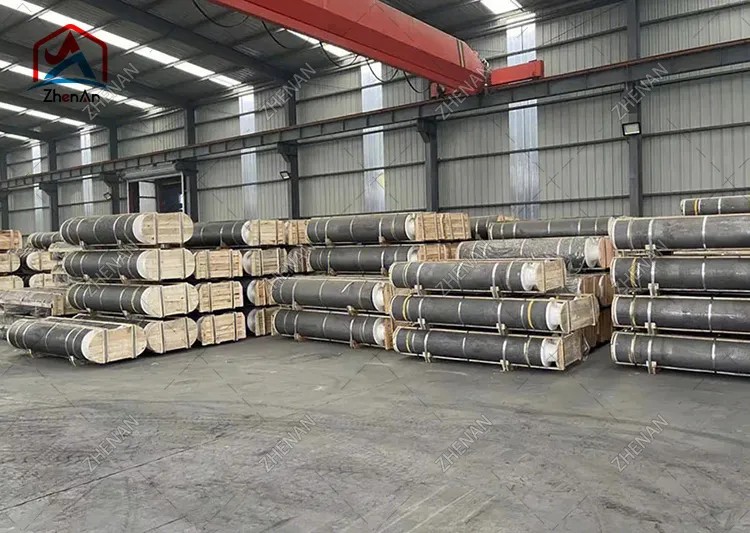
Selecting the correct electrode is a balance of furnace parameters, operating practice and total cost of ownership. Work through these steps:
Electrode consumption is normally expressed in kilograms per tonne of steel produced (kg/t). Understanding the main loss mechanisms helps you benchmark suppliers and reduce costs:
Typical total consumption ranges from roughly 1.2–2.5 kg/t for modern UHP furnaces to higher values for RP electrodes and smaller furnaces. Every 0.1 kg/t reduction is a direct cost saving on a high-volume consumable — which is why electrode quality and correct grade selection matter so much.
Choosing the right electrode grade, diameter and nipple configuration has a direct impact on your melting productivity and cost per tonne of steel. As a specialist graphite electrode manufacturer and supplier, we provide RP, HP and UHP electrodes in diameters from 75 mm to 800 mm, with full certificates of analysis and technical support for furnace sizing.
Tell Zhen An your furnace type, transformer power and current requirements, and we will recommend the right specification with a competitive quotation.