Silicon metal (also designated as industrial or metallurgical silicon) is an essential base raw material across modern automotive metallurgy, chemical synthesis, and renewable energy sectors. Produced through the high-temperature carbothermic reduction of high-purity quartz (SiO₂) in submerged electric arc furnaces (SAF), silicon metal is classified into standardized industrial grades according to its critical impurity limits—principally Iron (Fe), Aluminum (Al), and Calcium (Ca).
For Steelmaking and Casting, selecting the optimal silicon metal grade directly impacts smelting energy efficiency, mechanical casting properties (such as tensile strength and fluidity in A356/ADC12 alloys), chemical siloxane yield, and total procurement expenditure.
Silicon Metal Grading & Nomenclature
Silicon metal grades are designated by a three-digit or four-digit numbering convention (e.g., 553, 441, 3303, 2202) reflecting the maximum allowable percentage of the three major elemental impurities:
GRADE NAMING CONVENTION BREAKDOWN (e.g., Grade 553 & Grade 3303)
• First Digit(s): Maximum Iron (Fe) content (e.g., '5' = 0.50% Fe max, '33' = 0.30% Fe max)
• Second Digit: Maximum Aluminum (Al) content (e.g., '5' = 0.50% Al max, '03' = 0.30% Al max)
• Third Digit: Maximum Calcium (Ca) content (e.g., '3' = 0.30% Ca max, '02' / '2' = 0.02% or 0.20% Ca max)
Chemical Composition of Major Silicon Metal Grades
| Grade |
Silicon (Si) Min |
Iron (Fe) Max |
Aluminum (Al) Max |
Calcium (Ca) Max |
Primary Industrial Sector |
| Grade 553 |
≥ 98.50% |
≤ 0.50% |
≤ 0.50% |
≤ 0.30% |
Aluminum Ingot Smelting & Secondary Alloy Casting |
| Grade 441 |
≥ 99.10% |
≤ 0.40% |
≤ 0.40% |
≤ 0.10% |
Automotive Die-Casting & Structural Aluminum Alloys |
| Grade 421 |
≥ 99.20% |
≤ 0.40% |
≤ 0.20% |
≤ 0.10% |
Organosilicon Monomer Synthesis & Solar Precursor |
| Grade 3303 |
≥ 99.37% |
≤ 0.30% |
≤ 0.30% |
≤ 0.03% |
Chemical Silicone Fluids, Siloxanes & High-Spec Alloys |
| Grade 2202 |
≥ 99.50% |
≤ 0.20% |
≤ 0.20% |
≤ 0.02% |
High-Purity Silicones, Polysilicon & Electronic Base |
| Grade 1101 |
≥ 99.79% |
≤ 0.10% |
≤ 0.10% |
≤ 0.01% |
High-End Photovoltaic & Semi-Insulating Substrates |
Critical Industrial Applications & Grade Selection
1.Aluminum Alloy Production & Automotive Die-Casting (Grades 553, 441):
Silicon is the single most critical alloying additive in aluminum metallurgy. Adding 7% to 12% silicon (such as in A356, A380, and ADC12 casting alloys) significantly decreases the melting point, improves melt fluidity, prevents hot-tearing during casting, and enhances corrosion and wear resistance in engine blocks, transmission housings, and structural wheel hubs.
2.Silicon & Chemical Monomer Synthesis (Grades 421, 3303, 2202):
In chemical plants,
silicon metal powder is reacted with methyl chloride in a fluidized bed reactor (the Rochow-Müller Direct Process) to synthesize dimethyldichlorosilane [(CH₃)₂SiCl₂]. Low calcium and controlled trace aluminum levels are mandatory to prevent catalyst poisoning, ensure steady fluidized bed kinetics, and maximize monomer conversion efficiency into silicone rubbers, siloxanes, and lubricants.
3.Photovoltaic (PV) & Polysilicon Solar Precursor (Grades 2202, 1101):
Metallurgical silicon is purified via hydrochlorination into trichlorosilane (SiHCl₃) and subsequently reduced in Siemens chemical vapor deposition (CVD) reactors or fluidized bed reactors (FBR) to yield 9N–11N solar-grade and electronic-grade polysilicon.
.JPG)
Factory Experience & Quality Control Standards
Direct smelting experience reveals that meeting nominal chemical specs alone does not guarantee performance. A rigorous factory quality assurance protocol must govern every manufacturing stage:
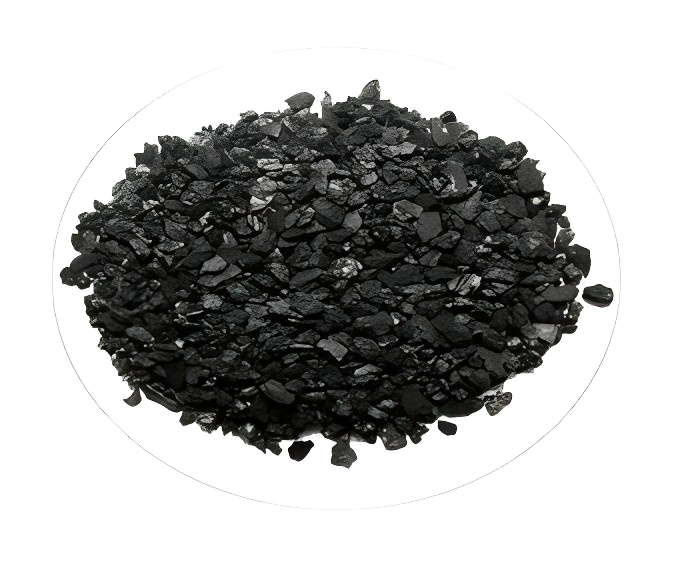
- Submerged Arc Smelting & Slag Refining: Low-ash charcoal, washed pet coke, and low-impurity quartz (>99.5% SiO₂) prevent slag entrainment. Tapping into refined ladles with bottom argon-blowing purges slag inclusions and homogenizes elemental distribution.
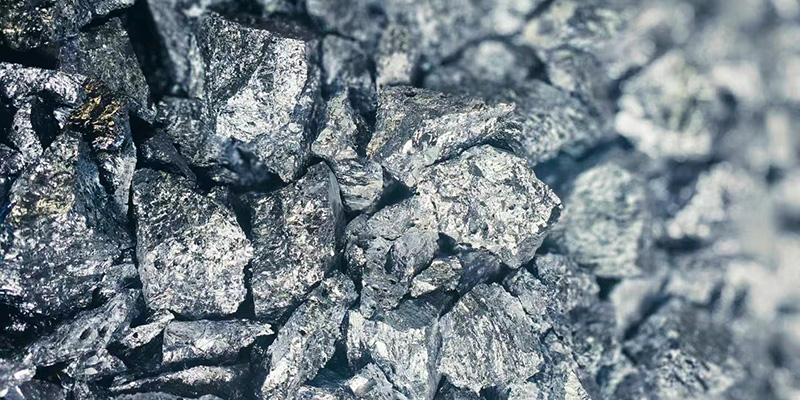
- Precision Crushing & Custom Sizing: Available in standard lump sizes: 10–50 mm, 10–100 mm (for foundry ladle additions), or customized mesh powders: 100–200 mesh, 200–325 mesh (for chemical fluidization). Precision multi-deck vibrating sieves guarantee less than 5% undersize/oversize fines.
- Spectroscopic Lab Verification (XRF & ICP-OES): Every batch of 25–50 tons undergoes multi-point sampling. Certified laboratory testing includes X-Ray Fluorescence (XRF) and Inductively Coupled Plasma Optical Emission Spectrometry (ICP-OES) to verify Fe, Al, Ca, P, S, Ti, and B ppm limits before issuing the official Certificate of Analysis (COA).
- Third-Party Preshipment Inspection: Full support for independent third-party verification (SGS, CCIC, BV, Intertek) for preshipment chemical assays, size distribution screening, and container stuffing inspections.
Packaging, Anti-Moisture Protection & Export Logistics
International ocean transit exposes raw metals to marine humidity and temperature fluctuations. Silicon metal requires dedicated export packaging to avoid surface oxidation or trace phosphine gas release:
Standard Export Packaging: 1 MT (1,000 kg) UV-resistant woven polypropylene (PP) jumbo bags with reinforced 4-point lifting loops and moisture-proof internal polyethylene (PE) liners. For chemical powders, 200 kg airtight steel drums with nitrogen purging are available upon request.
Container Loading Capacity: Typically 20 to 25 metric tons per 20-foot GP container (subject to destination port road weight regulations).
Harmonized System (HS) Codes: HS Code: 2804.69.00 (Silicon content < 99.99% - Metallurgical & Chemical Grades) | HS Code: 2804.61.00 (Silicon content ≥ 99.99% - High-Purity Semiconductor/Solar Grades).
Trade Terms & Port Handling: Flexible Incoterms supported including FOB (Tianjin/Qingdao/Shanghai ports), CFR, and CIF with marine cargo insurance.