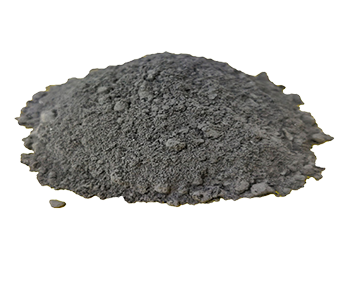
Silicon carbide, its chemical name SiC or the trade name carborundum, is a unique man-made material that has become a pillar of modern engineering. Silicon carbide powder is created by combining silicon and carbon at very high temperatures. Almost every bit of silicon carbide abrasive powder used in factories today is produced in large electric furnaces.
Today, silicon carbide is not just a "grinder." It is a high-tech material used to make the chips inside your smartphone, the brakes in high-speed sports cars, and the protective armor worn by soldiers. Its ability to withstand extreme heat, resist chemical damage, and stay sharp even under heavy pressure makes it the first choice for engineers working in the most difficult environments on Earth.
Most SiC is produced using the Acheson process. In this method, high-purity silica sand and petroleum coke are placed in a large electric furnace. When the furnace reaches temperatures up to 2,500 degrees Celsius, a chemical reaction occurs. The silicon and carbon bond together to form large crystals. These crystals are then crushed and ground into various sizes to create the powder we use today.
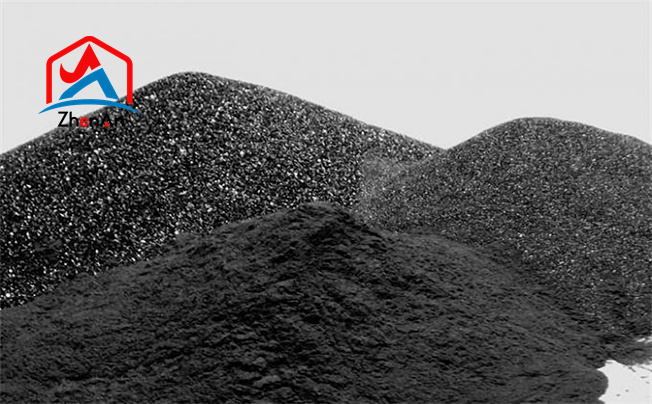
The powder is sorted by "grit" size. Coarse powder has large, rough grains that can remove a lot of material quickly. Fine powder has tiny, smooth grains used for polishing. The industry follows international rules like FEPA and ANSI to make sure every bag of silicon carbide abrasive powder has the exact grain size needed for a specific job. This consistency is why manufacturers can rely on SiC for precision work day after day.
.jpg)
The performance of silicon carbide abrasive powder depends on its purity. Even small amounts of other elements can change how the powder behaves. Below is a simple table showing what is inside high-quality black and green silicon carbide powder.
| Element/Component | Black Silicon Carbide (%) | Green Silicon Carbide (%) |
|---|---|---|
| Silicon Carbide (SiC) | 98.2% - 98.8% | 99.2% - 99.7% |
| Free Carbon (C) | Less than 0.2% | Less than 0.1% |
| Iron Oxide (Fe2O3) | Less than 0.3% | Less than 0.05% |
| Silica (SiO2) | Less than 0.3% | Less than 0.1% |
As you can see, green silicon carbide is the "cleaner" version. It has more SiC and fewer impurities, which is why it is used for the most sensitive technical applications, such as in the electronics industry.
These numbers tell them if the material can survive the pressure or heat of a specific job. Here are the mechanical stats for silicon carbide powder.
| Physical Property | Value | Why it Matters |
|---|---|---|
| Mohs Hardness | 9.2 - 9.5 | It can cut through almost any metal or stone. |
| Density | 3.20 g/cm³ | It is strong but not too heavy. |
| Melting Point | 2,730°C (Dissociation) | It can survive in extreme furnace temperatures. |
| Thermal Conductivity | 120 W/m·K | It helps cool down tools while they work. |
| Compressive Strength | 3,900 MPa | It can take a massive amount of crushing force. |
These numbers prove that silicon carbide abrasive powder is built for extreme environments. It is a high-performance material that outshines traditional sand or aluminum oxide in almost every technical category.
Because silicon carbide powder has so many special traits, it is used in many different industries. It is hard to go through a single day without using something that was made with the help of SiC.
When a factory needs to shape a hard metal part, they use a grinding wheel. If that part is made of something like cast iron or a non-ferrous metal (like aluminum or copper), silicon carbide is the best choice. Unlike other abrasives, SiC does not get dull quickly. It breaks into sharp pieces, so it keeps cutting effectively until the grain is completely gone.
These are grains so small they feel like flour. These powders are used in a process called "lapping." For example, the lenses in high-end cameras or telescopes must be perfectly smooth. Workers use silicon carbide abrasive powder in a liquid mix to slowly rub the glass until it is perfectly flat. This ensures that light passes through the lens without any distortion.
Traditional cars use silicon chips to manage power. However, EVs need to move a lot of electricity very quickly from the battery to the motor. Silicon chips get too hot and waste energy. Engineers found that if they use silicon carbide instead, the chips can handle higher voltages and stay much cooler.
This means an electric car can go further on a single charge and charge up faster at a station. High-purity silicon carbide powder is the starting material for making these advanced chips. As more people switch to electric cars, the demand for high-quality silicon carbide powder is growing faster than ever before. It is the secret ingredient making green transportation possible.
.jpg)
In the past, "bulletproof" vests were mostly made of heavy steel or soft fabrics. Today, high-tech armor uses ceramic plates. To make these plates, silicon carbide powder is pressed into a shape and heated until it becomes a solid, hard piece of ceramic.
When a high-speed bullet hits a silicon carbide plate, the ceramic is actually harder than the bullet. The plate forces the bullet to flatten and shatter. Even though the plate might crack, it absorbs all the energy and protects the person wearing it. Because SiC is lighter than steel, soldiers and police officers can move more easily while staying safe. This same technology is used to protect the sides of tanks and helicopters.
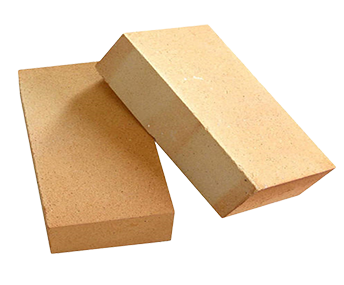
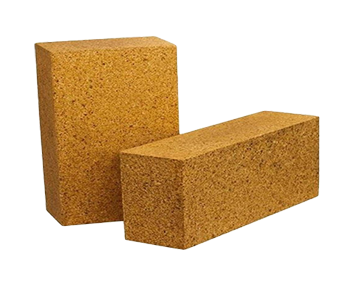
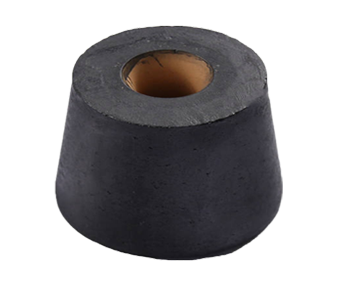
Silicon carbide powder is used to create "refractory" materials. These are materials designed specifically to stay solid in the heat. For example, the "furniture" inside a ceramic kiln—the shelves and posts that hold the pottery—is often made of silicon carbide.
Because SiC has a low thermal expansion, it doesn't grow or shrink much when the temperature changes. This prevents the materials from cracking. If you used metal shelves, they would bend or melt, but silicon carbide stays perfectly flat. This reliability saves factories a lot of money because they don't have to replace their parts very often.
First, because it is so hard and lasts so long, factories don't have to use as much of it. Less waste means a smaller footprint on the Earth. Second, as we mentioned before, it is a key part of the technology in electric vehicles and solar panels.
In solar energy, silicon carbide powder is used to cut the silicon ingots into thin wafers that catch the sun's light. The thinner and more precise the cut, the more efficient the solar panel becomes. By providing the tools to make better solar panels and EVs, silicon carbide is actually helping the world move away from oil and coal. It is a "green" material in more ways than one.
For heavy-duty rust removal or stone cutting, a coarse black silicon carbide is usually the best and most affordable option. It is tough and gets the job done fast.
However, if you are working on something delicate, like a computer chip or a piece of jewelry, you should look for green silicon carbide micro-powder. You also need to look at the "purity" of the powder. For industrial grinding, 98% purity is fine. But for making electronics, you might need 99.9% purity.
It is a high-performance material that bridges the gap between traditional manufacturing and the future of technology. Its extreme hardness allows us to shape the toughest metals and stones. Its incredible heat resistance keeps our factories running and our aerospace vehicles safe. Its unique electrical properties are currently revolutionizing the way we drive and how we use energy. From the smallest computer chip to the largest industrial furnace, silicon carbide abrasive powder provides the strength and reliability that modern industry demands. As we continue to innovate, this "industrial diamond" will undoubtedly remain at the center of our technological progress.
1. Is silicon carbide powder natural or man-made?
While it exists in nature as a mineral called moissanite, it is very rare and found only in tiny amounts in meteorites. The industrial version is created in large electric furnaces using sand and carbon.
2. Can I use silicon carbide abrasive powder for wet and dry grinding?
Yes, silicon carbide works very well in both environments. It is often used in "slurry" form (mixed with water or oil) for polishing glass and wafers, but it is also used in dry sandpaper for wood and metal work.
3. Why is green silicon carbide more expensive than black?
Green silicon carbide is more expensive because it is more pure. It requires higher quality raw materials and a more careful manufacturing process to ensure that there are fewer impurities like iron or free carbon.
4. Is it safe to handle silicon carbide powder?
Silicon carbide is not toxic. However, because the powder is made of tiny, sharp crystals, it can hurt your lungs if you breathe it in. You should always wear a dust mask and use proper ventilation when working with the powder in a dry environment.
5. Does silicon carbide powder rust?
No, silicon carbide is a ceramic material and does not contain metal that can rust. It is highly resistant to water, salt, and most chemicals, which is why it is used in marine and chemical applications.
6. How should I store the powder?
The most important thing is to keep it dry. If the powder gets damp, it can clump together, which makes it hard to use in machines or for precise polishing. Store it in a sealed container in a cool, dry place.