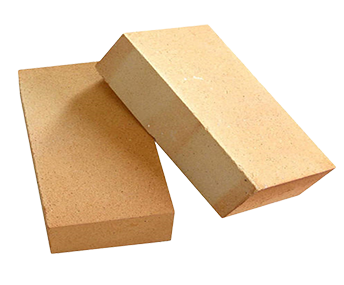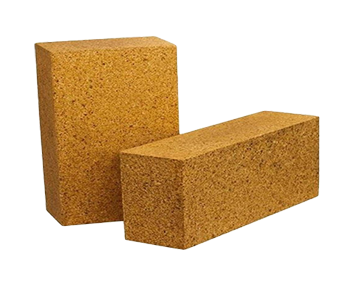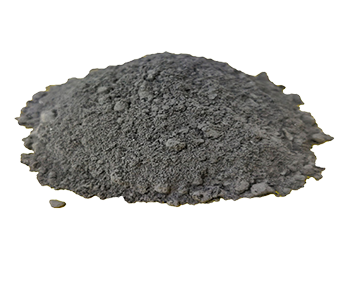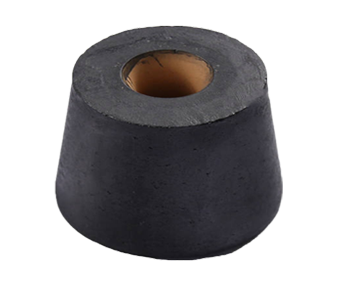
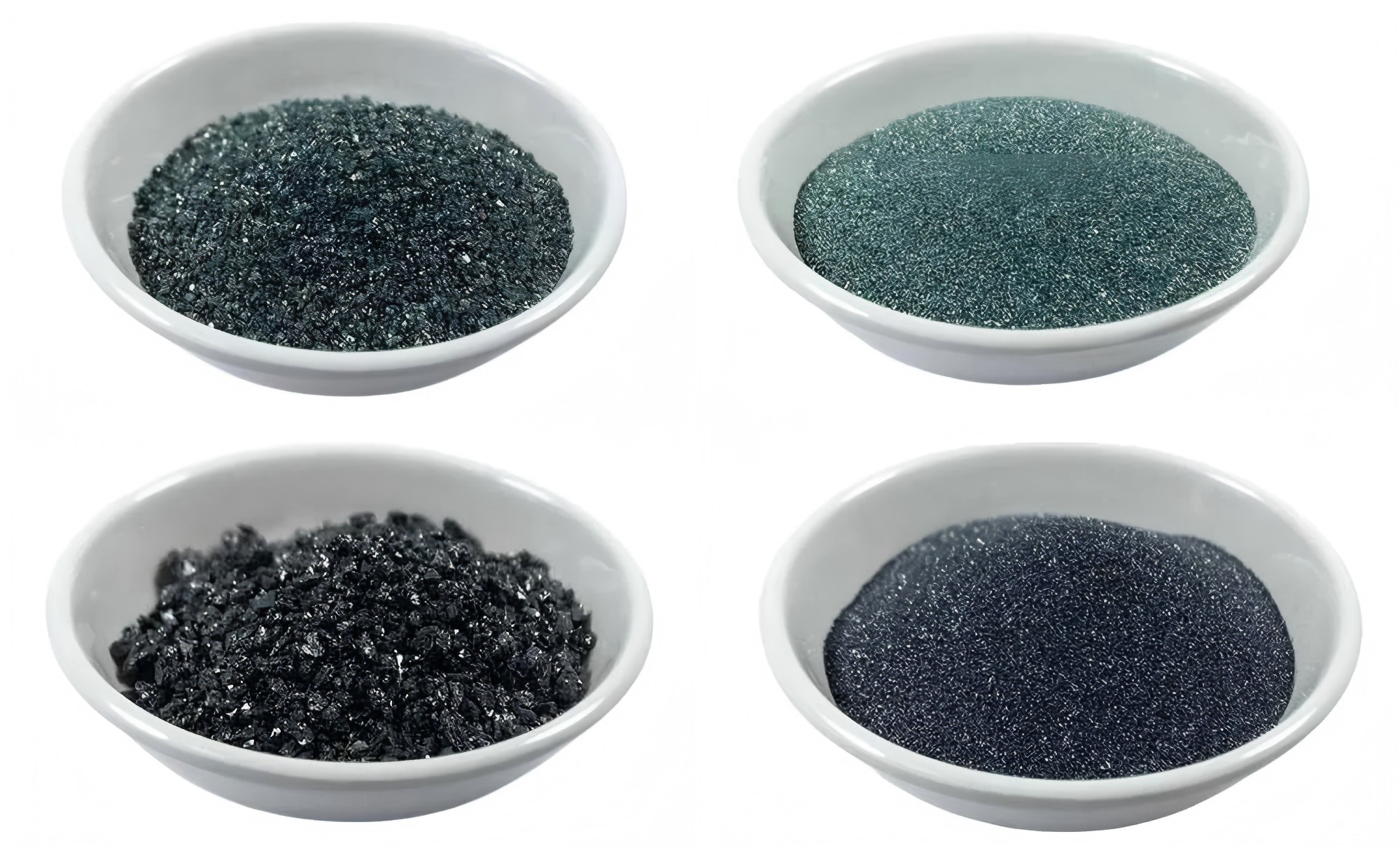
Silicon carbide powder is a raw material used in powder metallurgy; specifically, black silicon carbide is typically employed for processing materials with lower tensile strength—such as cast iron and non-ferrous metals—as well as non-metallic materials like stone and leather. In contrast, the higher-purity green silicon carbide is more frequently utilized for the precision grinding of hard and brittle materials, such as cemented carbides (tungsten carbide), optical glass, and high-quality ceramics.
The chemical purity of silicon carbide abrasive powder determines its physical properties and intended application. High-quality abrasive powders are categorized by their SiC content, with higher percentages usually indicating better hardness and cutting efficiency. Below is a detailed breakdown of the typical chemical composition for both Black and Green Silicon Carbide.
| Component | Black Silicon Carbide (%) | Green Silicon Carbide (%) |
|---|---|---|
| Silicon Carbide (SiC) | 98.00 - 98.80 | 99.00 - 99.50 |
| Free Carbon (C) | ≤ 0.20 | ≤ 0.15 |
| Ferric Oxide (Fe2O3) | ≤ 0.30 | ≤ 0.10 |
| Magnetic Material | ≤ 0.005 | ≤ 0.003 |
| Other Impurities | Trace | Trace |
The higher purity of green silicon carbide (often exceeding 99% SiC) is achieved through more stringent raw material selection and more precise control of the furnace atmosphere. This higher purity translates to a sharper grain structure and better performance in high-precision grinding applications.
The mechanical performance of silicon carbide abrasive powder is what sets it apart from traditional abrasives like aluminum oxide or garnet. Its hardness and thermal stability are among the highest for synthetic materials. The table below outlines the key mechanical and physical properties that define its industrial utility.
| Property | Typical Value | Measurement Unit |
|---|---|---|
| Crystal Structure | Hexagonal/Alpha | - |
| Mohs Hardness | 9.2 - 9.5 | Scale 1-10 |
| Knoop Hardness (K100) | 2400 - 2800 | kg/mm² |
| Density | 3.15 - 3.25 | g/cm³ |
| Melting Point | 2,730 (Dissociation) | °C |
| Thermal Conductivity | 60 - 150 | W/m·K |
| Compressive Strength | 3.9 - 4.5 | GPa |
Due to these mechanical properties, silicon carbide is not only an excellent abrasive but also a superior refractory material. Its ability to maintain structural integrity and hardness at temperatures exceeding 1,000°C makes it ideal for high-temperature kiln furniture and heat exchangers.
Silicon carbide abrasive powder offers a unique set of advantages that make it the preferred choice for demanding industrial tasks. These characteristics ensure that the material performs efficiently under high pressure and extreme temperatures.
These advantages translate directly into cost savings for manufacturers by reducing tool wear and increasing the speed of production cycles. In high-speed grinding operations, the ability of silicon carbide abrasive powder to maintain its "bite" results in fewer required passes and a superior surface finish.
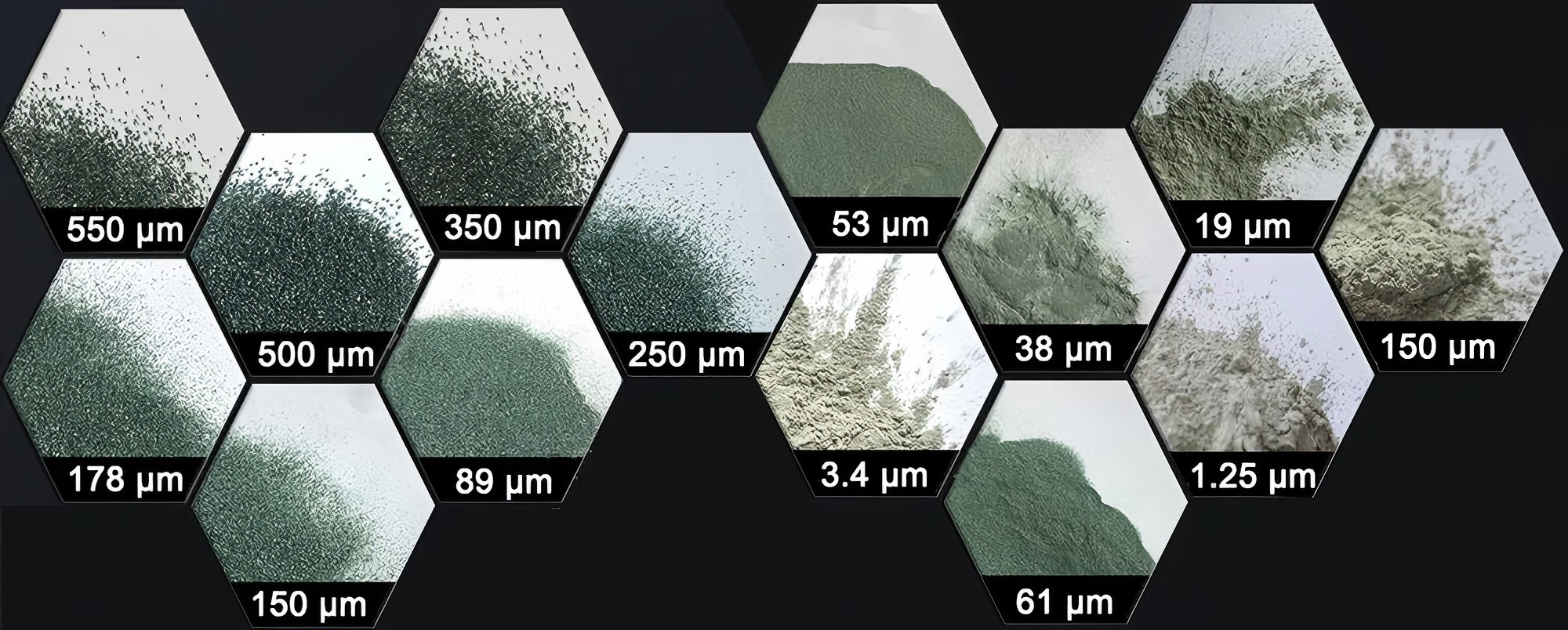
The versatility of silicon carbide abrasive powder allows it to be used across a vast array of industries. From traditional manufacturing to cutting-edge technology, its applications are nearly limitless.
In recent years, a significant case study involves the solar industry. As the world pivots toward renewable energy, the production of high-purity silicon for solar panels has relied heavily on silicon carbide abrasive powder for slicing silicon ingots into thin wafers. While diamond wire has gained popularity, SiC slurry remains a critical method for specific high-precision applications in this sector.
While both varieties share the same fundamental chemistry, the subtle differences between black and green silicon carbide abrasive powder are crucial for specific industrial outcomes. Black silicon carbide is produced by reacting silica and carbon with a small amount of salt and sawdust. The presence of these additives results in a slightly lower purity but creates a tougher grain that is excellent for heavy-duty grinding of materials like stone and cast iron.
Green silicon carbide is produced using a higher grade of raw materials and without certain additives, resulting in a cleaner, more translucent green crystal. It is more friable (breaks more easily) than black SiC, which sounds like a disadvantage, but it is actually a benefit for precision tasks. The high friability ensures that the abrasive remains sharp throughout its life, making it the premier choice for grinding tungsten carbide tools and high-precision electronic components.
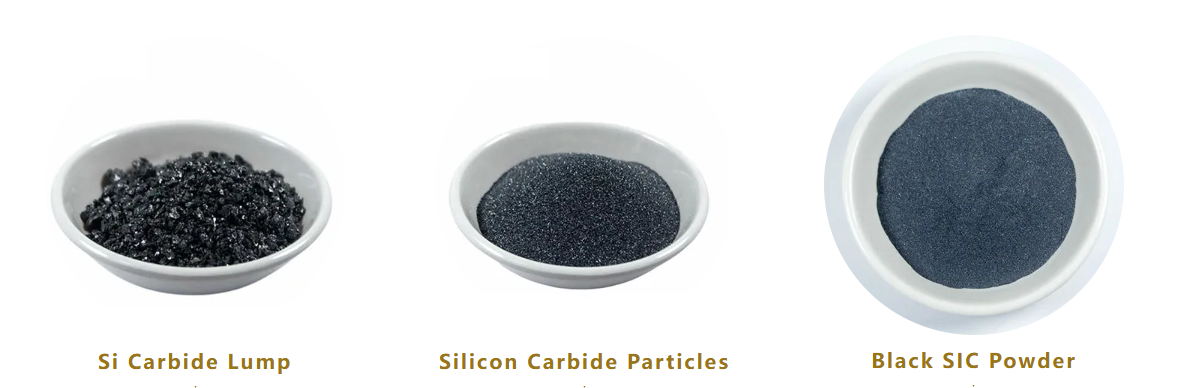
One of the most fascinating modern uses of silicon carbide abrasive powder is not as an abrasive, but as the precursor for SiC wafers used in power electronics. However, the abrasive powder itself plays a dual role here. In the manufacturing of these wafers, SiC powder is used as the raw material in Physical Vapor Transport (PVT) systems to grow single-crystal SiC boules. Furthermore, once the boule is grown, it must be sliced and polished using silicon carbide abrasive powder to achieve the "epi-ready" surface required for chip fabrication.
Silicon carbide semiconductors are superior to traditional silicon because they can handle higher voltages, higher temperatures, and have faster switching speeds. This makes them essential for the power inverters in Tesla and other electric vehicles. As the EV market expands, the entire supply chain—from the raw silicon carbide abrasive powder to the finished power module—is seeing unprecedented investment and technological advancement.
As with any industrial process, the production and use of silicon carbide abrasive powder have environmental implications. The Acheson process is energy-intensive and produces carbon dioxide as a byproduct. However, modern manufacturers are implementing carbon capture technologies and switching to renewable energy sources to power their furnaces. Furthermore, the longevity and efficiency of SiC as an abrasive mean that less material is required to perform a specific task compared to softer abrasives, reducing the overall waste stream.
In terms of workplace safety, silicon carbide is considered a "nuisance dust." While it is not toxic, the sharp nature of the particles means that proper dust extraction and personal protective equipment (PPE) are mandatory in industrial environments. Proper handling ensures that the benefits of this incredible material can be harnessed without compromising the health of the workforce.
1. What is the difference between black and green silicon carbide abrasive powder?
Black silicon carbide contains slightly more impurities and is tougher, making it ideal for low-tensile strength materials like cast iron and stone. Green silicon carbide has a higher purity (usually >99%) and is more friable, making it better for precision grinding of hard materials like tungsten carbide and optical glass.
2. Can silicon carbide abrasive powder be reused?
Yes, in many applications like sandblasting or certain lapping processes, SiC can be reclaimed and reused several times. However, because it is friable, the particles will break down into smaller sizes with each use, eventually losing their effectiveness for the original specification.
3. Is silicon carbide harder than aluminum oxide?
Yes, silicon carbide is significantly harder than aluminum oxide. On the Mohs scale, SiC ranks 9.2 to 9.5, whereas aluminum oxide ranks around 9.0. This makes SiC better for cutting through harder or more brittle materials.
4. Is silicon carbide powder hazardous?
SiC is generally considered non-toxic and is not classified as a carcinogen. However, like any fine powder, inhaling it can cause respiratory irritation. Always use proper ventilation and wear a dust mask or respirator when handling the powder in a dry state.
5. How do I choose the correct grit size for my project?
The choice depends on the desired finish. Lower grit numbers (e.g., F24, F36) are coarse and used for rapid material removal. Higher grit numbers (e.g., F600, F1000) are fine and used for smooth, mirror-like finishes. Often, a project requires a sequence of grits from coarse to fine.
6. Does silicon carbide abrasive powder expire?
No, silicon carbide is a chemically stable mineral and does not expire or degrade over time if stored in a dry, clean environment. The primary concern during storage is preventing moisture absorption, which can cause the powder to clump.