In modern steelmaking, nitrogen is no longer treated only as a harmful impurity. When controlled properly, nitrogen is a powerful, low-cost alloying element. It boosts yield strength in high-strength rebar (such as HRB400 and HRB500) and controls grain growth in oriented silicon steel.
To add nitrogen safely and accurately into molten steel, metallurgists choose High-Nitrogen Ferro Silicon Nitride (Fe-Si3N4). However, not all suppliers deliver the same quality. A small flaw on a specification sheet can lead to low nitrogen recovery, clogged nozzles, or off-grade steel heats. This guide breaks down how steel mill buyers and quality engineers evaluate a Ferro Silicon Nitride spec sheet line by line.
When a steel mill reviews a Certificate of Analysis (COA), they look past the marketing name and focus on four core chemical indicators. These numbers are typically verified using standard wet chemical analysis or inert gas fusion methods (such as ASTM E1019 for nitrogen and oxygen).
For steelmaking grades, total nitrogen should sit between 30.0% and 35.0%. High-nitrogen grades (often 32%+) mean a higher concentration of pure silicon nitride (Si3N4). Why does this matter? Because higher nitrogen density allows operators to add fewer kilograms per ton of steel, reducing slag volume and cooling effects in the ladle.
A typical spec sheet shows 40% to 45% Silicon and 12% to 18% Iron. The iron phase is critical for steelmakers. Pure silicon nitride has a low density (around 3.1 g/cm³) and tends to float on top of molten steel, where it burns off in the air. The heavy iron phase inside Fe-Si3N4 increases its bulk density, helping the granules sink quickly beneath the slag layer into the liquid steel.
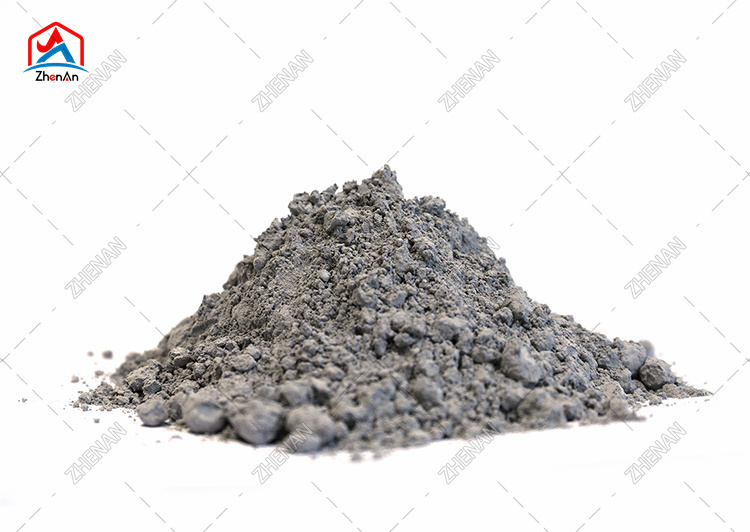
Free silicon is unreacted metallic silicon left over from incomplete nitriding. A reliable steelmaking spec sheet keeps Free Si below 1.0% to 1.5%. High free silicon means the manufacturer rushed the furnace cycle. In the ladle, un-nitrided material reacts unpredictably, leading to unstable nitrogen pickup from heat to heat.
Clean steel requires clean alloys. Steel mills strictly limit harmful residuals:
Depending on whether a mill produces construction rebar or high-end electrical steel, purchasing teams evaluate two main commercial grades. Here is how their typical spec sheets compare:
| Specification Parameter | Standard Steelmaking Grade (FeSi3N4-30) | High-Purity Grade (FeSi3N4-33) | Why Steel Mills Check This |
|---|---|---|---|
| Nitrogen (N) | ≥ 30.0% | ≥ 33.0% | Determines alloying efficiency and addition rate |
| Silicon (Si) | 40.0% – 45.0% | 42.0% – 46.0% | Provides secondary deoxidation benefit |
| Iron (Fe) | 14.0% – 18.0% | 12.0% – 15.0% | Increases density for fast slag penetration |
| Free Silicon (Free Si) | ≤ 1.5% | ≤ 0.8% | Ensures stable, repeatable nitrogen yield |
| Aluminum (Al) | ≤ 1.8% | ≤ 1.0% | Prevents nozzle clogging in continuous casting |
| Phosphorus / Sulfur | P ≤ 0.04% / S ≤ 0.03% | P ≤ 0.025% / S ≤ 0.015% | Protects steel toughness and weldability |
| Primary Steel Application | HRB400 / HRB500 Rebar, Structural Steel | Oriented Silicon Steel, Special Alloy Steel | Matches purity to final steel grade requirements |
Chemical purity means very little if the alloy burns up in the slag before reaching the molten steel. Physical sizing on the spec sheet directly controls the nitrogen recovery rate (yield):
Buyer Tip: Always check the spec sheet for the undersize tolerance (for example, "< 1 mm max 5%"). Too much dust in a bulk bag leads to heavy smoke, material loss in the dust collector, and erratic nitrogen levels.
Beyond technical specs, steel mill procurement teams evaluate cost-per-ton of liquid steel. In vanadium-nitrogen microalloyed steels (such as high-strength seismic rebar), vanadium prices can swing wildly.
By pairing High-Nitrogen Ferro Silicon Nitride with standard ferrovanadium (FeV50), steel mills supply the exact nitrogen needed to form fine vanadium nitride (VN) precipitates. These precipitates lock grain boundaries and boost yield strength. Compared to using expensive vanadium-nitrogen (VN) alloys alone, switching to a FeV + Fe-Si3N4 combination routinely cuts microalloying costs by 15% to 25% per ton of steel while keeping mechanical properties rock-solid.

Before signing a supply contract, smart steel buyers verify three practical details beyond the basic spec sheet:
At our ISO-certified nitriding facility, we produce custom-sized High-Nitrogen Ferro Silicon Nitride engineered for predictable nitrogen recovery and ultra-low impurities. Whether you run an EAF rebar mill or a specialty silicon steel plant, we tailor granule sizing and chemistry to your exact furnace practice.
Looking to benchmark your current nitrogen additive? Contact our metallurgical sales engineers today to receive a full batch COA, SGS inspection report, and competitive CIF/FOB quote for your next melt shop trial.
Calcium cyanamide adds unwanted carbon and creates heavy dust and smoke during tapping. Manganese nitride is expensive and adds extra manganese that some steel grades cannot tolerate. Fe-Si3N4 adds clean silicon and iron—two elements already needed in almost every steel heat—with high nitrogen yield and minimal fuming.
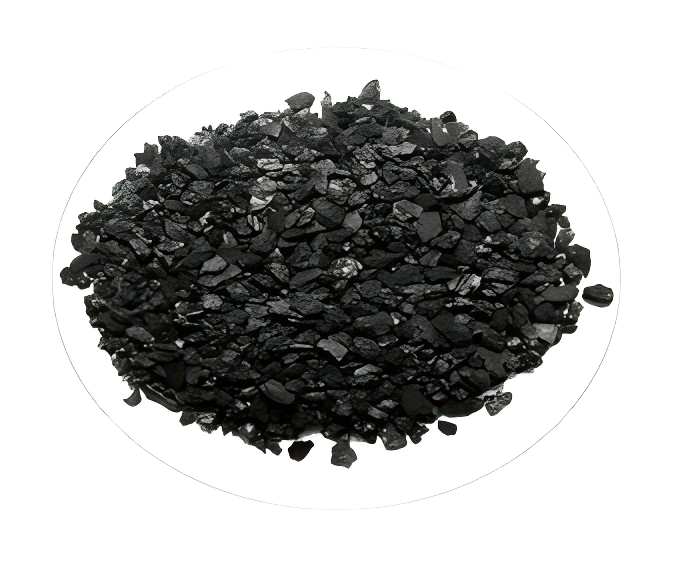
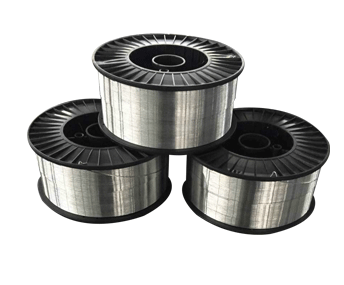
When added as 3–10 mm granules during ladle tapping, steel mills typically achieve a 65% to 80% nitrogen recovery rate. Using cored wire injection can push recovery rates even higher, up to 85%.
Store the jumbo bags in a dry, covered warehouse off the floor on wooden pallets. Although Fe-Si3N4 is chemically stable, keeping it dry prevents moisture from entering the molten steel and avoids hydrogen pickup during alloying.