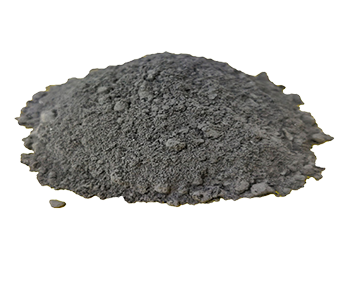
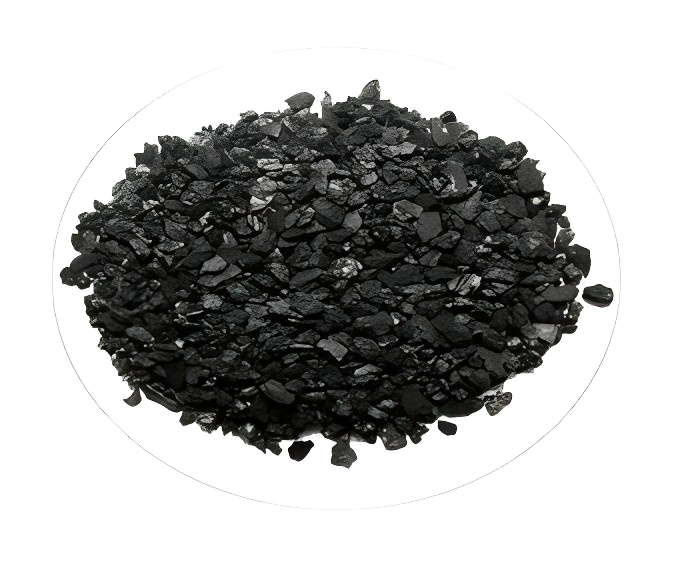
Ferrosilicon powder is a finely milled alloy of iron and silicon, typically containing 15%–90% silicon by weight. In industry, common grades include FeSi 45, FeSi 65, FeSi 75, and specialized low‑aluminum or low‑carbon variants. Thanks to its strong deoxidizing power, silicon activity, and controllable particle size distribution, ferrosilicon powder is widely used in steelmaking, foundry processes, magnesium production, welding consumables, cored wire, mineral processing, metallurgy fluxes, and even in certain chemical and battery precursor routes.
Key Properties and Performance Advantages
1) Powerful Deoxidizer and Alloying Agent
- High silicon activity: Silicon has a strong affinity for oxygen, enabling fast and efficient deoxidation in molten steel and cast iron.
- Clean steelmaking: Properly dosed ferrosilicon powder lowers dissolved oxygen, reduces inclusions, and improves mechanical properties.
- Alloy design: Silicon increases strength, hardenability, oxidation resistance, and electrical resistivity in certain steels and cast irons.
2) Tailorable Particle Size Distribution (PSD)
- Fine granularity: Common sizes include 0–0.3 mm, 0–1 mm, 0–3 mm, 1–3 mm, or custom milled powders.
- Consistent flowability: A controlled PSD improves feeding accuracy in cored wire, injection systems, and powder‑based processes.
- Reactivity control: Finer fractions increase surface area and reaction rate; coarser fractions moderate release and heat generation.
3) Stable Chemistry and Low Impurities
- Target chemistry: Fe and Si are the basis; controlled Al, C, P, S, Ca, and Ti content minimizes undesirable by‑products.
- Low aluminum options: For secondary refining and high‑quality steel grades, low‑Al ferrosilicon powder reduces alumina inclusions.
- Trace control: Restricting P and S helps maintain toughness and fatigue resistance in downstream products.
4) Thermal and Electrical Behavior
- Exothermic potential: Inoculation and deoxidation reactions release heat that can stabilize melt temperature.
- Electrical resistivity: Silicon increases resistivity, useful in certain specialty alloys and welding flux formulations.
5) Compatibility with Automated Feeding
- Cored wire and pneumatic injection: Uniform density, low moisture, low dust, and anti‑caking behavior enable stable dosing and minimal line blockages.
- Consistent bulk density: Predictable packing improves hopper performance and scale accuracy.
.jpg)
Core Application Fields
1) Steelmaking Deoxidizer
- Primary and secondary steelmaking: Ferrosilicon powder is added in the ladle or through cored wire to remove oxygen efficiently.
- Cleanliness improvement: Reduced non‑metallic inclusions lead to better toughness, machinability, and surface quality.
2) Ductile Iron and Gray Iron Inoculation
- Nucleation aid: Ferrosilicon powder promotes graphite formation and improves nodule count in ductile iron, reducing chill.
- Stable microstructure: Enhances consistency in section thickness transitions and reduces shrinkage porosity.
- Pairing with inoculants: Often used alongside SiCa, SiBa, or rare‑earth inoculants for tailored graphite morphology.
3) Magnesium Production via Pidgeon Process
- Reductant role: High‑silicon ferrosilicon powder acts as a reducing agent to extract magnesium from calcined dolomite at elevated temperatures under vacuum.
- Cost efficiency: Particle size and silicon content influence reaction kinetics and energy consumption.
4) Welding Consumables and Fluxes
- Flux formulation: Ferrosilicon powder supplies silicon for deoxidation and slag control in welding electrodes and flux‑cored wires.
- Weld metal quality: Helps remove oxygen and stabilize arc behavior, improving bead appearance and mechanical properties.
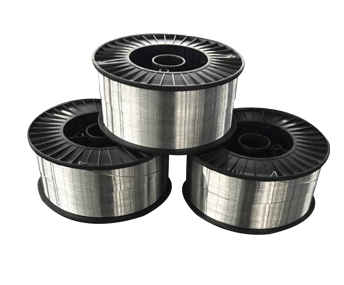
5) Cored Wire and Injection Metallurgy
- Precise dosing: Fine
FeSi powder is encapsulated in steel strip as cored wire or pneumatically injected into the melt.
- Process benefits: Improved alloy yield, reduced flare and oxidation, better operator safety, and repeatable results.
6) Mineral Processing and Heavy Media
- Dense media separation: Coarse ferrosilicon can be used in heavy media for coal washing and ore beneficiation; fine fractions top up density and rheology.
- Magnetic recoverability: Ferrosilicon is strongly magnetic, enabling high recovery rates and lower operational cost.
7) Metallurgical Additives and Specialty Alloys
- Silicon‑bearing steels: Electrical steels, spring steels, and heat‑resistant steels leverage silicon for performance gains.
- Cast iron modifiers: Tailored FeSi compositions add strength and wear resistance in automotive and machinery components.
8) Chemical and Battery Precursor Uses (Niche)
- Silicon source: In certain chemical syntheses and precursor routes, high‑purity ferrosilicon powder can act as a silicon donor.
- R&D pathways: Emerging processes explore FeSi as a feedstock for silicon‑rich materials in energy storage.
How to Choose the Right Ferrosilicon Powder
- Silicon content (Si%): Select FeSi 45/65/75 based on deoxidation strength, cost, and metallurgical targets. Higher silicon content generally means stronger deoxidation and cleaner steel.
- Particle size (PSD):
- 0–0.3 mm or 0–1 mm for cored wire and pneumatic injection.
- 0–3 mm for ladle addition or foundry ladles with manual dosing.
- Custom PSD to match feeding equipment and reaction kinetics.
- Impurity limits: Specify max Al, C, P, S; for clean steels, choose low‑Al ferrosilicon powder with tight P and S controls.
- Flowability and moisture: Ensure good flow, low moisture (<0.3% typical), and anti‑caking for stable dosing.
- Apparent density: Match to hopper and feeder design to avoid bridging or segregation.
- Packaging: Select 25 kg bags, 1‑ton jumbo bags, or vacuum‑sealed options for hygroscopic environments.
- Standards and certification: Ask for ISO 9001, ISO 14001, ISO 45001, and mill test certificates (MTC) or certificates of analysis (COA) per lot.
.jpg)
Process Tips and Best Practices
- Pre‑heating and drying: Keep ferrosilicon powder dry; pre‑heat ladle additions when necessary to avoid hydrogen pickup and steam explosions.
- Controlled addition: Use cored wire or injectors for consistent dosing; avoid large batch dumps which cause local overheating.
- Melt stirring: Gentle argon stirring or electromagnetic stirring helps homogenize silicon and reduce inclusion clusters.
- Inclusion management: Pair FeSi with basic slag practice and calcium treatment when needed to modify inclusions.
- Safety: Use dust control, proper PPE, and explosion‑proof handling for fine powders. Store away from moisture and oxidizers.
- Traceability: Track lot numbers, MTC/COA, and consumption data for quality audits and root‑cause analysis.
Quality Metrics to Request from Your Ferrosilicon Powder Supplier
- Chemical composition: Si, Al, C, P, S, Ca, Ti, Mn, and trace elements with min/max specs.
- Size distribution: Sieve analysis with D10/D50/D90 or full mesh breakdown.
- Moisture content: As‑shipped moisture and after drying curve.
- Apparent density and tap density: For feeder design and cored wire loading.
- Magnetic content and fines: Impacts recovery in dense media and dust control.
- Re‑oxidation tendency: Practical tests tied to specific steel grades and processes.
- Cleanliness and contamination: Limits on oil, rust, and non‑magnetic debris.
Frequently Asked Questions (FAQ)
- What is the difference between ferrosilicon powder and silicon metal powder?
Ferrosilicon powder is an iron‑silicon alloy, lower in silicon than pure silicon metal powder, and optimized for deoxidation and alloying in steel and iron. Silicon metal powder is higher purity silicon used in aluminum alloys, chemicals, and electronics.
- Can I replace calcium‑silicon with ferrosilicon?
In some deoxidation steps, yes. But CaSi provides calcium for inclusion modification and desulfurization. The choice depends on steel grade and target inclusion morphology.
- Which FeSi grade is best for magnesium production?
FeSi 75 powder is commonly used, but particle size and impurity levels should be tuned to furnace design and dolomite quality.
- How to prevent caking during storage?
Keep moisture below spec, use lined bags, store on pallets away from temperature swings, and consider anti‑caking agents for ultra‑fine grades.