Vanadium pentoxide (V2O5) is one of the most versatile and indispensable oxidation catalysts used across modern industry. From the large-scale production of sulfuric acid to selective oxidation in fine chemicals, V2O5-based formulations deliver proven performance, robustness, and cost-effectiveness. As the energy transition accelerates and cleaner processes become imperative, V2O5 catalysts are finding expanding roles in emissions control, sodium-ion batteries, and novel chemical pathways that minimize waste and maximize selectivity.
What Is Vanadium Pentoxide?
Vanadium Pentoxide Catalyst
V2O5 is a robust, high-activity oxidation catalyst with widespread use in sulfuric acid, maleic anhydride, phthalic anhydride, and selective oxidation of light hydrocarbons and aromatics.
Catalytic performance depends on crystal phase, surface area, oxidation state dynamics (V5+/V4+ redox), support morphology, promoters (e.g., alkali metals, W, Mo, Ti), and process conditions (T, O2 partial pressure, space velocity).
The supply chain is global, spanning vanadium-bearing ores, steelmaking slags, and petroleum residues. Quality assurance, impurity control, and consistent phase composition are critical for reproducible results.
Safety and environmental practices are essential due to the corrosive and toxic nature of vanadium compounds; robust handling, packaging, and compliance frameworks are mandatory.
Emerging opportunities include catalysts for clean ammonia-to-power, VOC abatement, SCR/denitration systems, and sodium-ion battery cathodes using V2O5 derivatives.
Basic properties:
Molecular weight: 181.88 g/mol
Melting point: ~690 °C (decomposes)
Density: ~3.36 g/cm³
Solubility: Slightly soluble in water; soluble in strong alkali solutions forming vanadates
Crystal structure: Orthorhombic for the most common phase; layered structure conducive to intercalation and redox processes
Commercial V2O5 catalysts are supplied in several forms:
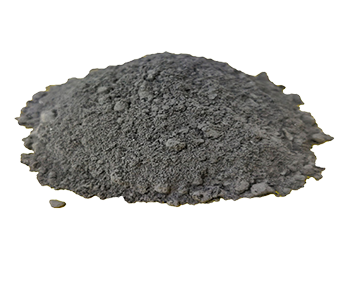
- Bulk V2O5 (powder or flake): High-purity vanadium pentoxide used as a precursor for catalyst manufacture or directly as an additive.
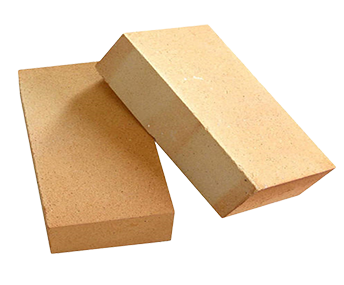
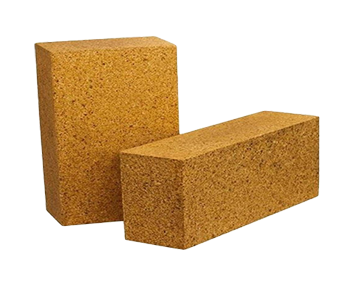
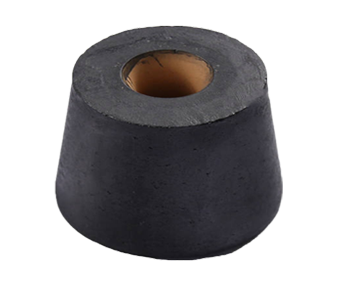
- Supported catalysts: Vanadium Pentoxide Catalyst V2O5 dispersed on porous carriers, shaped into pellets, rings, saddles, or honeycombs. Typical loadings range from 1–10 wt% V2O5, but can vary widely.
- Structured catalysts and monoliths: For SCR and VOC abatement, V2O5 is incorporated into honeycomb monoliths, plates, or corrugated structures using inorganic binders and promoters.
- Specialty formulations: V2O5 combined with phosphorus (VPO system), molybdenum, tungsten, titanium, niobium, and alkaline metals tailored to target reactions.
Purity grades:
Technical grade: Suitable for bulk oxidation where trace impurities are tolerated within spec. Typical impurities: Fe, Ni, Na, K, Si, P, S, Cl.
High-purity grade: Lower impurity levels for sensitive catalytic processes or electrochemical use.
Battery grade and research grade: Tight limits on alkali metals, chloride, and moisture content; controlled particle size distribution and specific surface area.