If you are buying ferrosilicon for steelmaking, casting, or foundry use, one of your biggest questions is simple: what is the ferrosilicon price per ton?
The answer is not always simple, because price changes with grade, silicon content, size, impurities, logistics, and the global market. In this guide, we explain everything in clear, simple English so you can understand what drives the price and how to buy smarter. We are a direct ferrosilicon manufacturer and supplier, and we have written this guide based on real orders, real production costs, and daily market tracking.
What Is the Typical Ferrosilicon Price Per Ton?
The price per ton depends on grade and market conditions. To give you a practical idea, here is how prices usually stack up in a normal market (not a quote, just a range to help you plan):
- FeSi 75%: higher price
- FeSi 72%: mid-range price
- FeSi 65%: lower price
- Low-aluminum, low-carbon, or special-purity ferrosilicon: premium
- Powdered or ground ferrosilicon: slight premium due to extra processing
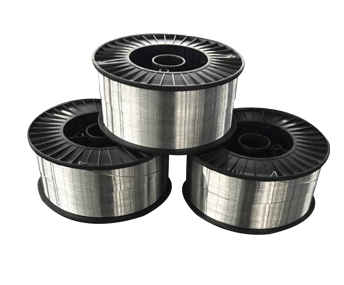
- Cored wire grade: premium
Why can’t we list a fixed price here? Because ferrosilicon is a commodity. Prices change weekly, sometimes daily, based on raw materials, electricity costs, exchange rates, and global demand. Freight can also be a big part of your landed cost. For an accurate, current price per ton to your port or warehouse, please contact us with your grade, size, quantity, destination, and any special requirements. We respond with a firm quote and lead time.
.jpg)
Key Factors That Affect Ferrosilicon Price
-
Silicon content (grade)
- Higher silicon content needs more quartz and more electricity, so FeSi 75% is more expensive than FeSi 65%.
- Tight control of impurities (like Al, C, P, S) adds cost, as it needs better materials and process control.
- Special grades, such as low-aluminum (<1.0%) or low-carbon ferrosilicon, cost more
-
Impurity limits and specifications
- Aluminum (Al): Lower Al is preferred for steelmaking and silicon steel. Each 0.1% tighter spec can push price up.
- Carbon (C): Powder for cored wire often needs low C. That adds cost.
- Phosphorus (P) and Sulfur (S): Very low P and S are harder to produce and more expensive.
- Trace elements: If you require tight limits on Ca, Ti, B, or others, expect a premium.
-
Size and processing
- Standard lump sizes cost less than specially screened fractions.
- Powder (0–3 mm) requires crushing, grinding, and sieving—this increases price slightly.
- Very tight size tolerances reduce yield and raise cost.
-
Production costs
- Electricity: Ferrosilicon is power-intensive. Electricity rates directly affect the furnace cost per ton.
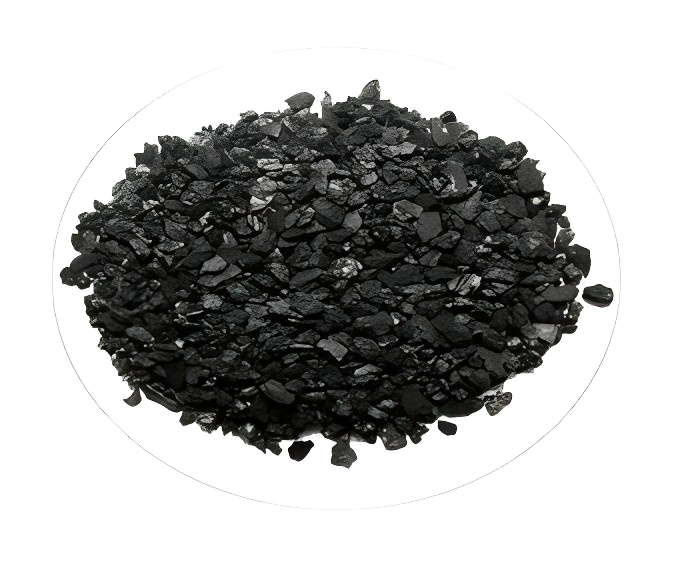
- Raw materials: Quartz purity, coke quality, and iron sources all change in price over time.
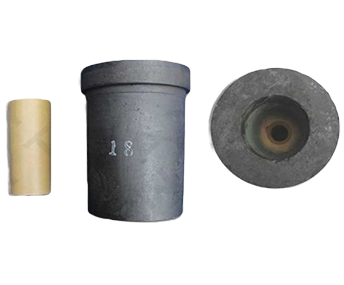
- Electrodes: Graphite electrodes are a major consumable; their market price is volatile.
- Furnace efficiency: Modern furnaces and off-gas recovery lower costs, but older units cost more to operate.
-
Freight and logistics
- Local delivery vs. CIF to your port can make a big difference. Ocean freight changes with fuel, route, and season.
- Inland trucking, port fees, customs clearance, and duties add to landed cost.
- Container type and loading: Break bulk, 20’/40’ containers, or bulk bags (1-ton) change costs and handling.
-
Exchange rates and payment terms
- USD strength vs. local currency can shift export prices.
- Longer payment terms or open account can add a financing premium; LC at sight may be priced differently than TT.
-
Market demand and global events
- Steel production cycles, construction spending, and infrastructure projects drive demand.
- Seasonal shutdowns, environmental inspections, or energy caps can restrict supply and push prices up.
- Geopolitical events and shipping disruptions affect freight and availability
.jpg)
How to Get an Accurate Ferrosilicon Price Per Ton
To receive a firm quote fast, share the following:
- Grade: FeSi 75 / 72 / 65 or custom spec
- Chemical limits: Al, C, P, S, Ca, Ti, and any special requirements
- Size: 0–3 mm, 3–10 mm, 10–50 mm, 10–100 mm, or tailor-made
- Quantity: trial order and monthly or annual volume
- Packaging: 1-ton jumbo bags, small bags on pallet, or bulk
- Destination: port and Incoterms (FOB, CFR, CIF, DDP)
- Payment terms: LC, TT, others
- Delivery time requirement
With this information, we can confirm price per ton, production lead time, and shipping schedule within 24–48 hours.
Understanding Cost Components: From Factory to Your Door
- Ex-works (EXW) price
- The basic factory price for the specified grade and size, packed and ready for pick-up.
- Includes raw materials, electricity, labor, and overhead.
- FOB price
- EXW plus domestic transport to the port, port handling, and export customs.
- If you arrange ocean freight, we quote FOB.
- CFR/CIF price
- CFR: FOB plus ocean freight to your named port.
- CIF: CFR plus marine insurance.
- This is the most common for international buyers who handle local clearance themselves.
- Landed cost (DDP or to your warehouse)
- Add destination port charges, customs duties, VAT or GST, local delivery.
- We can quote DDP in many markets to give you a door-to-door price per ton.
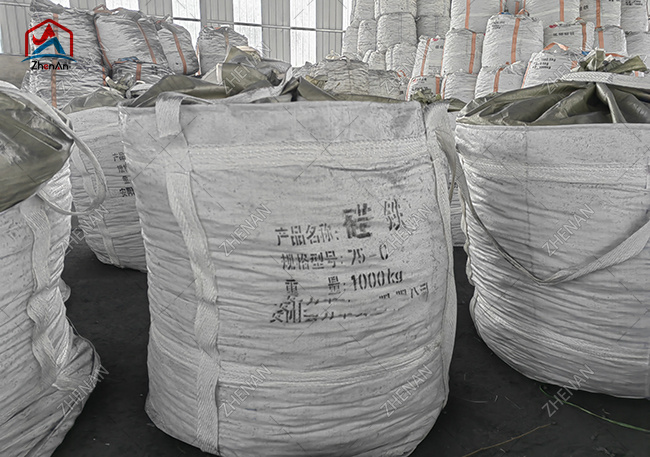
Typical Packaging and Loading Options
- Jumbo bags (1,000 kg): Most popular. Strong, safe, easy to stack and unload.
- Small bags (25–50 kg) on pallets: For small additions and retail handling.
- Bulk in containers: Lower packing cost but needs careful lining and handling.
- Moisture barrier: Inner PE liners help reduce moisture absorption, especially for fine powder.
- Palletization: Wooden or plastic pallets, with shrink wrap, for stability.
Quality and Inspection
We understand quality is as important as price. Our quality controls include:
- Raw material inspection: Quartz SiO2 purity, coke ash, volatile content.
- Furnace control: Continuous monitoring of temperature, load, and electrode position.
- Sampling and testing: Each heat is sampled and analyzed by spectrometer for Si, Al, C, P, S.
- Sieve analysis: Size fractions are checked against the order spec.
- Moisture control: Especially for powder and rainy season shipments.
- Third-party inspection: SGS, BV, or your nominated inspector available before shipment.
- Certificates: COA (Certificate of Analysis), packing list, MSDS, and origin certificates provided.
How to Compare Offers from Different Suppliers
When you receive multiple quotes, look beyond the headline price per ton. Compare:
- Grade and chemical limits: Are Al, C, P, S the same?
- Size distribution: Is it the same size range and tolerance?
- Packaging: Jumbo bag type, liner, palletization, and labeling.
- Incoterms: FOB vs. CIF vs. DDP changes what’s included.
- Loading weight: Net weight per container (e.g., 25–27 tons) affects freight per ton.
- Delivery time: Can they ship on your schedule?
- Payment terms: Costs differ between LC and TT.
- Quality assurance: Are COA and third-party inspection included?
A small difference in aluminum or size can explain a big price gap. Make sure you compare like with like.
Ways to Reduce Your Ferrosilicon Cost Per Ton
- Choose the right grade: Do not over-specify. If FeSi 72 meets your metallurgy, you may not need FeSi 75.
- Optimize size: Use standard sizes unless there is a technical reason for special fractions.
- Order in volume: Larger orders reduce production changeovers and shipping cost per ton.
- Consolidate shipments: Full-container loads (FCL) are cheaper per ton than LCL.
- Flexible delivery: Avoid peak seasons or port congestion when freight rates are high.
- Long-term contracts: Lock in prices to manage volatility and ensure supply.
- Provide realistic impurity limits: Tighter specs cost more. Set limits based on actual process needs.
Where Does Ferrosilicon Price Fit in Your Total Melt Cost?
In steel and foundry operations, ferrosilicon is often a small percentage of the total melt cost. Still, the right grade and size can save you money by:
- Reducing oxidation losses
- Improving yield and mechanical properties
- Shortening tap-to-tap time
- Reducing rework and scrap
A cheaper material that causes more rejects or longer heat times can cost more in the end. Balance price and performance.
Current Market Snapshot:
Note: This is a general overview. For live prices, contact us.
- Demand: Stable to firm in construction steel and ductile iron castings. Auto sector is steady; wind power casting demand varies by region.
- Supply: Energy policies and environmental checks affect furnace operations. When inspections increase, output drops and prices rise.
- Raw materials: Quartz supply is steady; coke prices fluctuate with coal. Electrode prices can rise quickly when graphite demand picks up.
- Freight: Ocean rates can change with fuel and route disruptions. Planning ahead helps avoid spikes.
FeSi 75 vs. FeSi 72 vs. FeSi 65: Which Should You Choose?
- FeSi 75%: Best for applications needing high silicon input and lower addition rates. Often chosen for high-quality steel and silicon steel. Higher price but efficient.
- FeSi 72%: Most common and cost-effective for general deoxidation and inoculation. Balanced performance and price.
- FeSi 65%: Budget-friendly and used where silicon requirement is lower or where cost is the main driver.
If you are unsure, share your melt practice, target silicon in steel or iron, and your addition method. We will recommend the right grade and size, and quote the best price per ton.
Sizes and Applications
- 10–50 mm or 10–100 mm: Ladle and furnace addition in steelmaking and ironmaking.
- 3–10 mm: For precise ladle additions, cored wire filling, or foundry inoculation.
- 0–3 mm powder: For cored wire manufacturing or quick dissolution needs.
Handling and Safety
- Store in a dry place. Ferrosilicon is stable, but fine powder can react with moisture to release hydrogen slowly—ensure ventilation.
- Avoid mixing fine powder with strong oxidizers.
- Use basic PPE during handling: gloves, dust mask for powder, goggles.
Lead Time and Production Capacity
- Regular grades: Usually 7–15 days after order confirmation, depending on quantity.
- Special purity or special sizes: 15–25 days.
- Monthly output: Multiple furnaces allow stable supply and flexible scheduling.
- Emergency orders: We can prioritize urgent shipments when needed.
Documentation and Compliance
- REACH and RoHS: We can provide compliance statements if required.
- MSDS: Available for all grades and sizes.
- Country-of-origin and Form A/Certificate of Origin: Provided as needed.
Frequently Asked Questions
- Why do different suppliers quote different ferrosilicon prices for the “same” grade?
- Small differences in impurity limits, size distribution, packing, or Incoterms can change cost. Check the fine print.
- Can I mix FeSi 72 and FeSi 75 in the same application?
- Usually yes, but adjust the addition rate based on silicon content. We can help calculate the exact dosage.
- What is the shelf life?
- Ferrosilicon does not “expire,” but powder can absorb moisture. Store dry and reseal bags. Use within 12 months for best flowability.
- Can you provide samples?
- Yes. We provide small samples for testing, with courier freight typically paid by the buyer.
- What payment terms do you accept?
- TT, LC at sight, and other methods for established customers.
- Do you support third-party inspection?
- Yes. SGS, BV, or your nominated agency can inspect before shipment.
- How many tons fit in one container?
- Typically 25–27 tons in a 20’ container, depending on packing and local rules.
- Can you provide blended or custom-grade ferrosilicon?
- Yes. We can tailor Si content and impurity ranges to match your process.
How We Quote: A Simple Example
Here is a simple example of how we structure a quote. This is only an example, not a live offer.
- Product: Ferrosilicon 72%
- Chemistry: Si 72–75%, Al ≤1.5%, C ≤0.2%, P ≤0.04%, S ≤0.02%
- Size: 10–50 mm
- Package: 1,000 kg jumbo bags with inner liner
- Quantity: 100 metric tons
- Price term: CIF [Your Port]
- Shipment: 15–20 days after deposit
- Payment: 30% TT advance, 70% against copy of documents
- Validity: 7 days
Change any parameter—grade, size, quantity, port—and the price per ton will change.
How to Place an Order
- Step 1: Send inquiry with grade, size, quantity, destination, and packing.
- Step 2: Receive our detailed quotation with price per ton and lead time.
- Step 3: Confirm specification and contract terms.
- Step 4: We produce, pack, and arrange shipment. You receive photos and test reports.
- Step 5: Balance payment, document release, and delivery.
- Step 6: After-sales support for any technical or logistics questions.
Why Work With Us
- Direct manufacturer: Stable quality, steady supply, and competitive prices.
- Transparent pricing: Clear breakdown and no hidden charges.
- Technical support: Metallurgists on hand to help you optimize addition and reduce cost.
- On-time delivery: Strong logistics network and safety stock for key grades.
- Quality assurance: Strict testing and third-party options.
- Flexible solutions: Custom sizes, packing, and terms for your needs.
Request Today’s Ferrosilicon Price Per Ton
If you need a firm price per ton for FeSi 65, 72, or 75 delivered to your port or warehouse, contact us with:
- Grade and chemistry limits
- Size and packaging
- Quantity and delivery time
- Destination and Incoterms
- Payment preference
We will reply quickly with the best current price, production schedule, and shipping plan.
Ferrosilicon price per ton is not just a number. It is the result of silicon content, impurity limits, size, energy, raw materials, freight, and market forces. By understanding these factors and by working with a reliable manufacturer, you can secure the right material at the right cost. Our team is ready to help you compare options, reduce risk, and improve your melt results. Send us your inquiry today to lock in a competitive price and a dependable supply.

.jpg)